

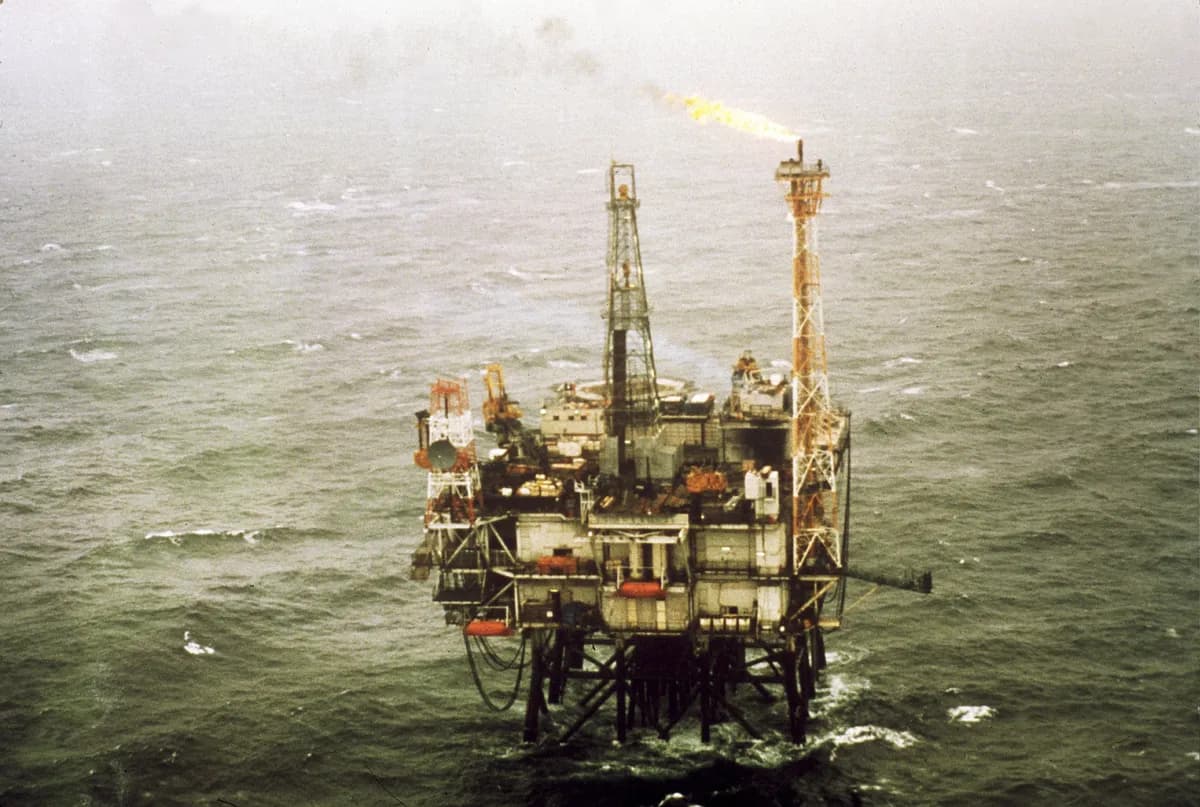
Industry reports indicate Shell, Exxon Mobil, and Total Energies still operate in the North Sea, unlike Chevron and ConocoPhillips who have sold assets. Energy secretary Ed Miliband previously called BP's £2.4bn profit surge wrong, tweeting that profiting from a crisis is wrong—a post he later deleted, adding that governments shouldn't allow excess war profits. Downing Street said the government ensures companies pay their fair share. Labour’s windfall tax increase cost BP £539m, according to its 2025 annual report, which also noted BP's £1.2bn Treasury contribution. New CEO Meg O'Neill is leading a strategic review, GB News reported. A Government spokesman said ministers provide long-term certainty and support jobs.
A BP spokesperson said the company has a strong North Sea portfolio and is conducting an internal review. OEUK's David Whitehouse warned oil and gas production could collapse within years, calling for tax relief. Lobby groups say BP's profit rise stemmed from global earnings. According to BP, it holds stakes in 20-25 UK fields, operates platforms such as Glen Lyon and Clair Ridge, and has sold assets including Shearwater and Magnus, with plans to divest most of its Net Zero Power stake. Dan Slater of Zeus Capital criticized the UK tax regime as inappropriate and unhelpful.
Profiting from a crisis is morally and economically wrong.
It would be completely wrong for a government to stand by and allow companies to make excess profits from a war.