

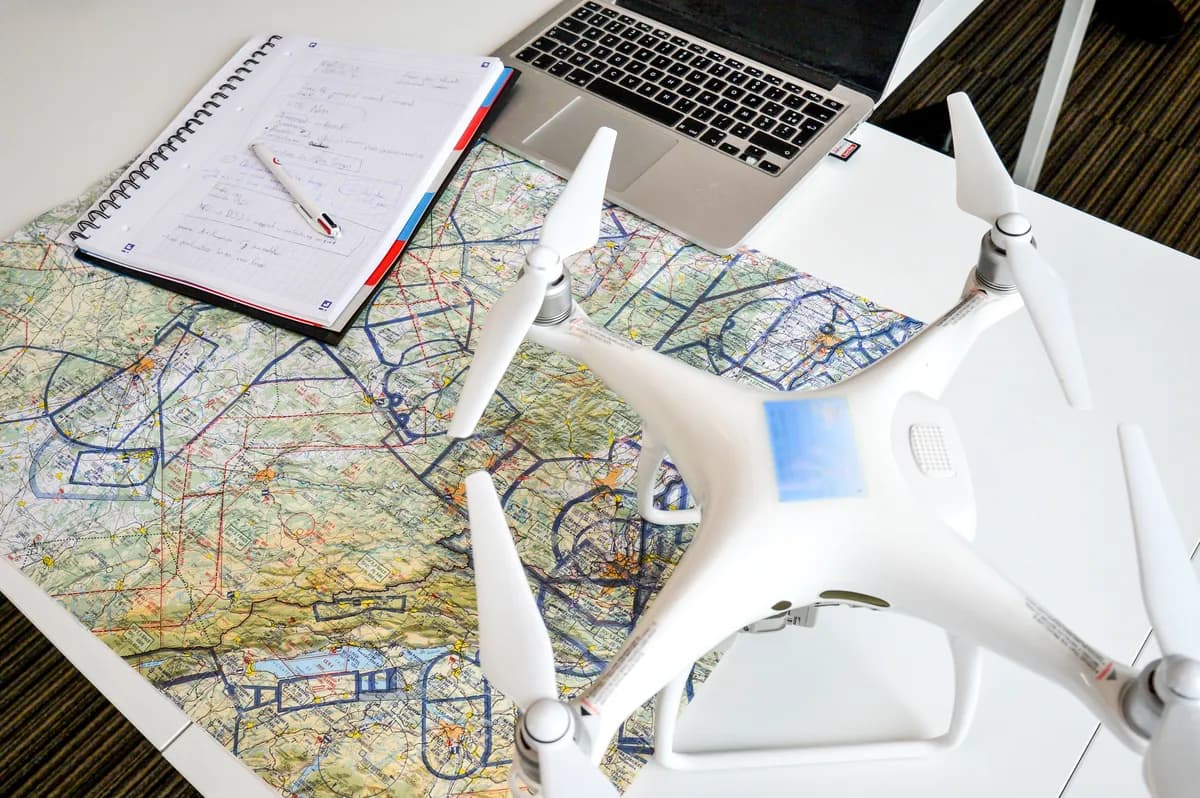
A new ban on the sale and rental of drones and key components in Beijing took effect on Friday, according to the BBC, as authorities impose sweeping restrictions on unmanned aircraft in the capital. The rules also require prior approval for any outdoor drone flights, the BBC reported, effectively grounding most personal drones unless operators obtain official clearance. The restrictions were approved in March, the BBC added.
Drone owners must register their devices with the police, the BBC reported. Drones must also be registered before being transported into or out of Beijing, and users have to complete online training and pass a test on drone regulations, according to the BBC. Exceptions are allowed for counter-terrorism and disaster relief operations, but only with prior authorization from authorities, the BBC said.
In a further complication, if a drone is sent out of the city for repairs, the owner must retrieve it in person, as deliveries are not permitted, the BBC noted. This follows last year's designation of Beijing's entire airspace as a no-drone zone, where flights required approval from air traffic authorities, the BBC recalled. The restrictions come even as China aggressively promotes its 'low-altitude economy,' which includes drones and flying taxis and is expected to generate more than two trillion yuan ($290bn; £217bn) by 2035, according to government estimates.
The goal was to 'strike the best balance' between safety and ensuring technological and economic progress.
The BBC has noted that despite Chinese firms like DJI dominating the global consumer drone market, the country has become one of the hardest places to fly such devices. Government data shows there are more than three million registered drones in China, underscoring the scale of potential airspace management challenges. Over the past several years, regulators have repeatedly tightened rules, the BBC reported, moving from broad permissions to a patchwork of local and national restrictions.
The contrast between the industry's strategic importance and the clampdown on personal drone use highlights a balancing act between innovation and security. City authorities said stronger drone management was needed to address safety issues in low-altitude airspace, the BBC reported. Xiong Jinghua, a senior official in the Beijing Municipal People's Congress, said the goal was to balance safety with technological and economic progress.
However, officials have not clarified key enforcement details, such as how the sales and rental ban will be policed, what penalties violators might incur, or whether existing drone owners will be given a grace period to register and comply. These gaps leave businesses and individuals uncertain about the immediate impact of the regulations.