

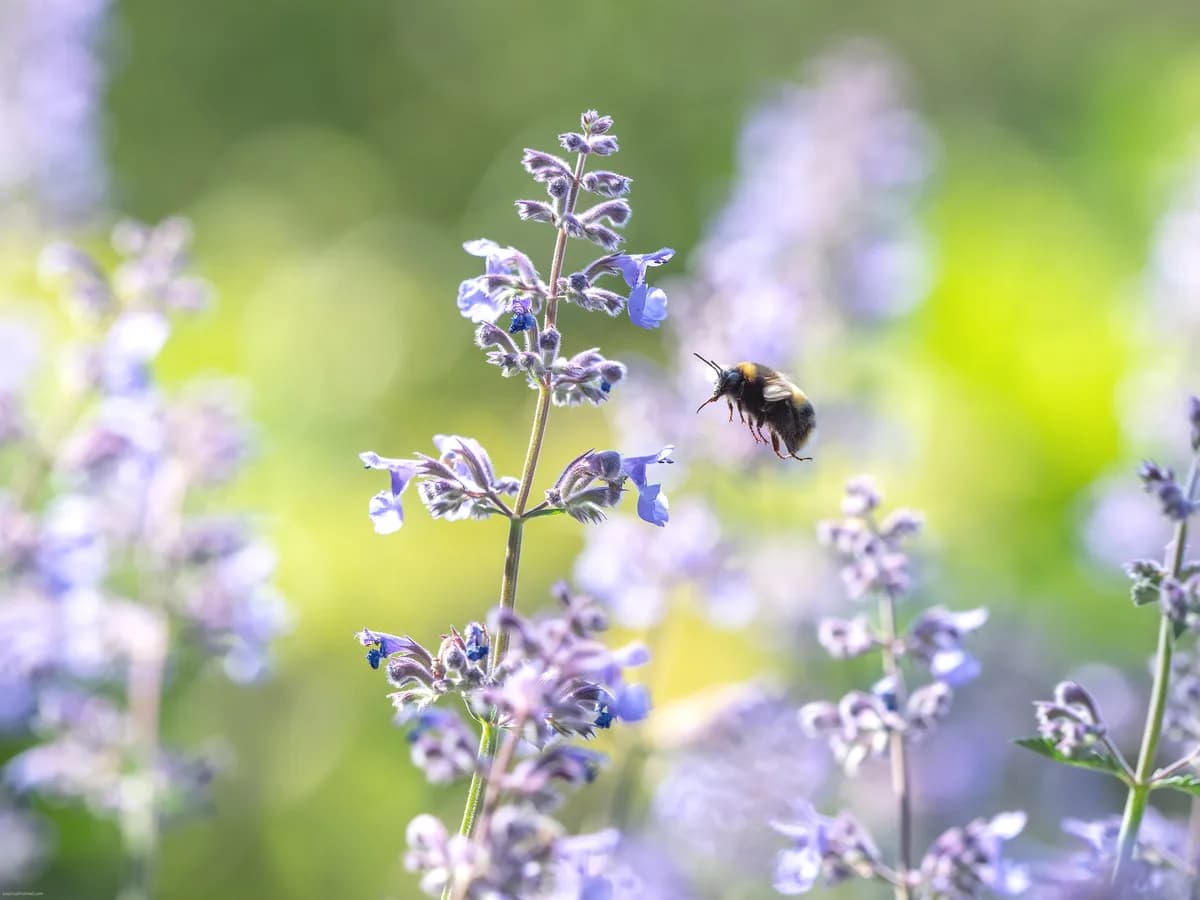
Tens of thousands of bees filled the skies over Israel on Wednesday, with thousands of insects seen hovering over streets, parked vehicles, shops, and balconies. Authorities have urged residents and store owners in the commercial center of Netivot to keep windows and doors shut as swarms descended on the area. The swarm has also moved into residential neighborhoods, with residents warned not to approach the bees.
Many viewers linked the eerie scene to Israel's ongoing tensions with Iran, claiming the spectacle signaled a looming disaster. The eerie scenes have drawn comparisons to the biblical warning in Deuteronomy 1:44, which describes enemies pursuing people like a swarm of bees. Some observers also pointed to Isaiah 7:18, which refers to the bee that is in the land of Assyria, a passage often associated with warnings of approaching judgment.
Experts say such events are typically caused by natural spring swarming, when overcrowded hives split and thousands of bees leave with a queen to establish a new colony. The phenomenon is seasonal and normal, often triggered by warm weather and abundant flowering plants. Large swarms can look alarming but are often a sign of a healthy and expanding bee population, not a dangerous one.
When colonies grow rapidly during peak nectar seasons, they produce additional queens and divide into multiple groups, increasing the chances of highly visible swarming events across populated areas. Israel’s landscape also plays a role, as the country sits along a major migratory corridor for insects and pollinators moving between Africa, Europe and Asia. Combined with dense agriculture, including citrus groves, wildflowers and irrigated farmland, this creates ideal feeding conditions that can support unusually large bee populations at certain times of year.
Urban expansion has further increased encounters between humans and bees, contributing to the visibility of swarms in areas like Netivot. It remains unclear what specific authorities issued the warnings to residents or how many people have been affected or injured by the bee swarms. The duration of the swarms and any management measures being taken have not been confirmed, nor have any links to environmental factors like pesticide use or habitat loss.