

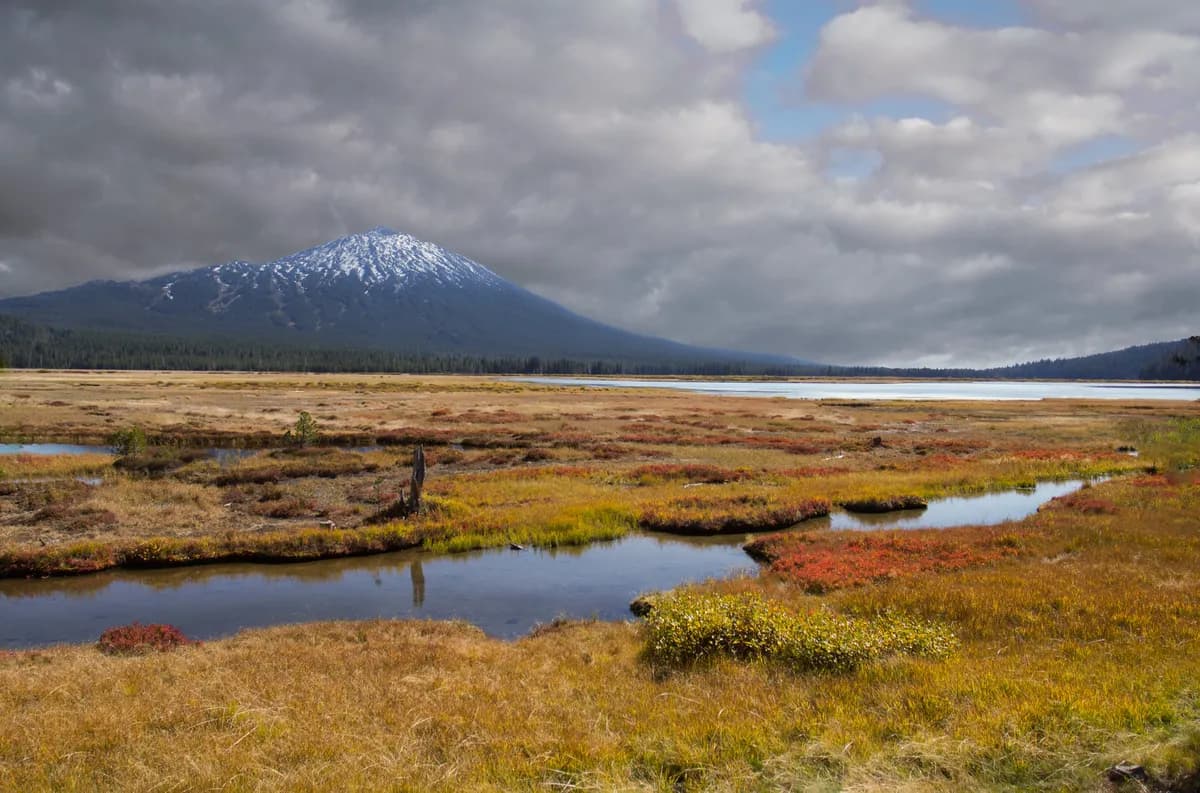
The first beavers were officially reintroduced into the wild in England one year ago, after being hunted to extinction 400 years ago. Two pairs of beavers were released into Little Sea, a freshwater lake on the Isle of Purbeck in Dorset, in March 2025. Beavers were recognized as a resident native species in England again in October 2022.
The beavers have constructed a 35-meter dam, slowing the flow of a stream and creating a deep, wildlife-rich pool. Their activities have improved habitats for plants, insects, amphibians, birds, and bats, and may help prevent flooding on a nearby road. A conservationist described the beavers' engineering impact on the habitat as fantastic, noting the effect on the ecosystem in a relatively short time is astonishing.
Help is needed to restore beaver populations, adding that a key part of their reintroduction was the vital importance of creating a genetically viable population that is robust and adaptable to climate change and disease.
Trail cameras captured footage of two of the beavers mating, indicating they have settled and there could be kits (baby beavers) this summer. A conservationist expressed hope to see some kits from them later in the year and will keep following what they’re up to. However, the project has not been without challenges.
The western female beaver left Little Sea and was found in Swanage, then trapped and returned; later, she and her mate appeared at a Wessex Water treatment works. The western pair eventually returned to the area around Little Sea and set up base in a wet woodland, where they have been active. Tragically, the male beaver released on the eastern side was found dead in Swanage Bay, possibly from salt water poisoning.
It's an opportunity for all to feed into this potential reintroduction project, facilitating collaborative planning and helping to maximise the significant environmental benefits, whilst minimising any negative impacts of any future project.
There have been no recent positive sightings of the female beaver from the eastern pair. A conservationist noted that you’re not controlling all of the factors in the environment and wild animals do have a hard existence sometimes, especially with climate change. Looking ahead, Dorset Wildlife Trust plans to release up to 50 wild beavers into Dorset rivers, starting with a phased approach at about 10 sites over several years.
Dorset Wildlife Trust has submitted an expression of interest to Natural England for the river release project and opened a public consultation until 31 May. The project allows for the release of 10 to 25 adult beavers, with the next release expected this autumn. Dorset Wildlife Trust stated that help is needed to restore beaver populations, adding that a key part of their reintroduction was the vital importance of creating a genetically viable population that is robust and adaptable to climate change and disease.
The trust also noted it’s an opportunity for all to feed into this potential reintroduction project, facilitating collaborative planning and helping to maximise the significant environmental benefits, whilst minimising any negative impacts of any future project. Natural England is now issuing licenses for wild beaver release, moving away from enclosed projects. The outcome of Dorset Wildlife Trust's public consultation and whether Natural England will approve the license for releasing up to 50 beavers into Dorset rivers remains to be seen.