

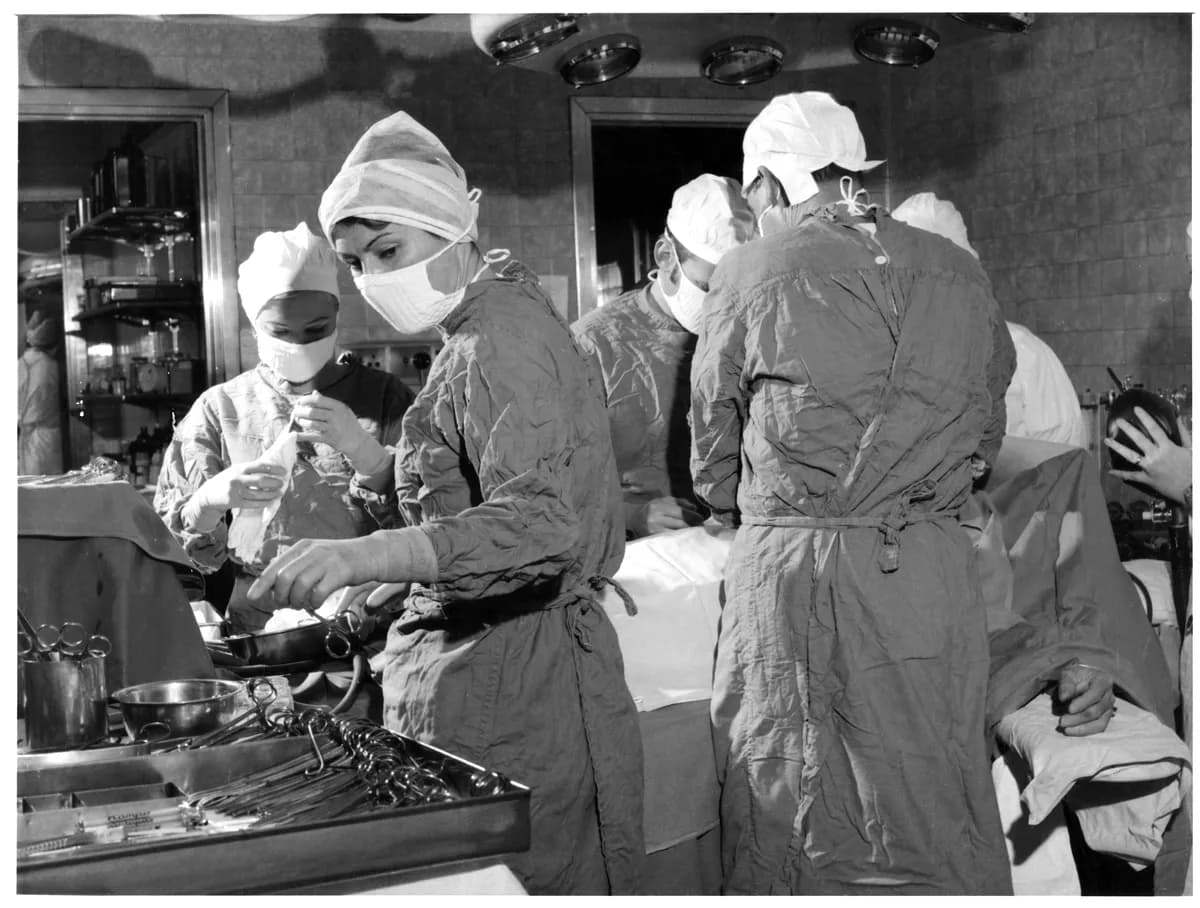
According to Göthlin, there were over 60 tuberculosis sanatoriums in Sweden, often placed outside communities where the air was good. Patients typically stayed for long periods—sometimes years—with rest, outdoor lying cures, and plentiful meals. Severe treatments included nitrogen gas treatment of the lung and removal of several ribs. Sanatorium activity decreased after medications arrived in the 1940s and eventually ceased.
Today, most sanatoriums have been renovated into apartments, hostels, hotels, or schools, Göthlin said. Many have burned down or been demolished. Some are still used as hospitals, while a few are abandoned and in poor condition, with large parts destroyed by vandalism.
The artist mapped all sanatoriums, collecting postcards from patients that gave insight into daily life and inspired her visits. Her fascination began with Hålahult sanatorium near Örebro as a teenager. Göthlin wants to document what remains before it is too late. The vernissage is on May 8. Göthlin did not disclose the exact number of sanatoriums she mapped or which specific ones she visited.