

A video of a jar of Nutella floating inside the Orion capsule during the Artemis II mission went viral on social media about four minutes before the crew set the new distance record. The Artemis II crew surpassed Apollo 13's 1970 distance record of 248,655 miles from Earth. According to social media posts, the Nutella brand stated it was honored to have traveled further than any spread in history. NASA's Kennedy Space Center added on social media that the crew was enjoying sweet treats while taking photos of the Moon.
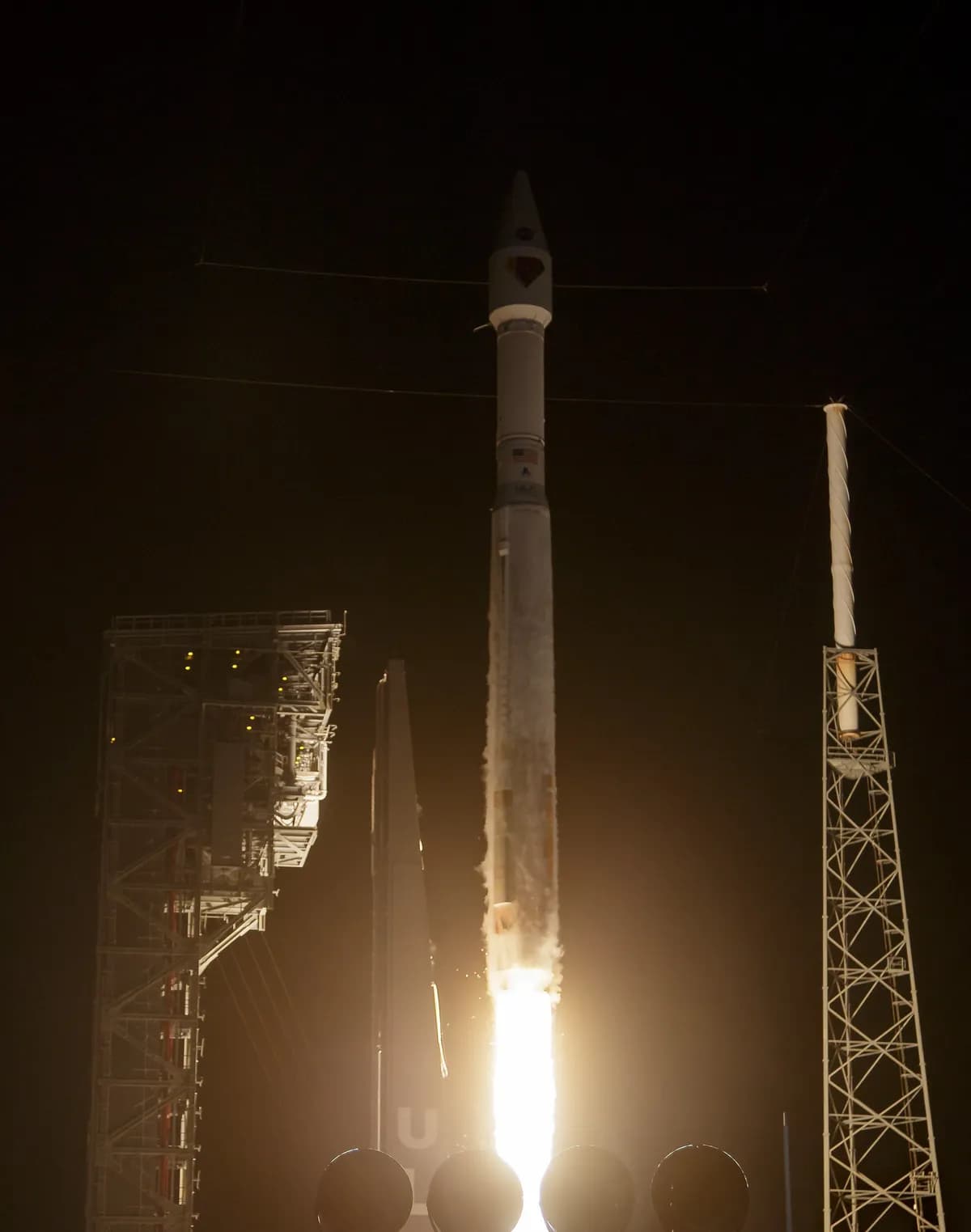
The Artemis II mission is a crewed lunar flyby test flight, according to research from six sources. Artemis II is the first crewed mission beyond low Earth orbit since Apollo 17 in 1972, according to research from six sources. The crew includes Commander Reid Wiseman, pilot Victor Glover, mission specialist Christina Koch from NASA, and mission specialist Jeremy Hansen from the Canadian Space Agency.
The mission duration is 10 days, with a free-return trajectory around the Moon and back to Earth, according to research from two sources. The capsule will splash down in the Pacific Ocean near San Diego on April 10, according to research from two sources. The crew made their closest approach to the Moon at roughly 4,057 miles above its surface, according to research from six sources.
Christina Koch radioed to Mission Control about the burning smell, noting it was never identified as the source.
The Artemis II crew safely regained contact with mission control after a planned 40-minute communications blackout as Orion passed behind the Moon's far side, according to research from six sources. During the blackout, the astronauts became the most isolated humans in history, according to research from six sources. NASA official Ken Bowersox stated that robust space communications are the essential link that unites the crew and the exploration team on Earth to ensure safety and mission success. Another NASA official, Kevin Coggins, added that reliable communications are the lifeline of human spaceflight.
Nutella is one of nine condiments on board the Orion capsule, according to major media reports. NASA released the crew's menu, which includes condiments such as maple syrup, peanut butter, hot sauce, spicy mustard, strawberry jam, honey, cinnamon, almond butter, and chocolate spread, according to major media reports. More than 10 types of beverages are available on the Orion capsule, including mango-peach smoothies, lemonade, apple cider, hot chocolate, and enough coffee for 43 cups, according to major media reports.
Artemis II faced technical issues before and after launch, including a communication problem between Eastern Range and the flight termination system, a temperature spike in a Launch Abort System battery, and a temporary loss of communication with Orion, according to research from six sources. The exact cause of the temporary loss of communication with the Orion capsule around 50 minutes into the flight remains unknown, as do the specific technical details that led to the resolution of the Launch Abort System battery temperature spike.
Overall, we don't have any major concerns.
The crew reported a burning smell from the Orion spacecraft's toilet, according to mission specialist Christina Koch. According to a space news website, Christina Koch described radioing to Mission Control about the burning smell, noting it was never identified as the source. Mission Control was not concerned about the burning smell and cleared the crew to continue using the toilet, according to Mission Control.
The crew faced a 'controller issue' with the toilet, which was troubleshooted by Christina Koch, according to research from six sources. According to a news website, Mission Control described being happy to report that the toilet is go for use, recommending letting the system get to operating speed before donating fluid. The exact source of the burning smell reported from the spacecraft's toilet remains unknown.
The Artemis II astronauts experienced a Microsoft Outlook issue hours after launching, according to Commander Reid Wiseman. According to a news website, Reid Wiseman described there being two Microsoft Outlooks and neither one of those working. The crew manually took control of Orion as a test for future missions, according to research from six sources. How the Microsoft Outlook issue was resolved, and whether it impacted mission operations, remains unknown.
Happy to report that the toilet is go for use. We do recommend letting the system get to operating speed before donating fluid.
The Orion spacecraft's solar array wings have fully deployed, providing continuous electrical power, according to research from two sources. Artemis II is now closer to the Moon than it is to Earth, according to Jacki Mahaffey. The exact dates for the Artemis II launch and key mission events are unclear, given conflicting reports about the timeline.
Conflicting information exists regarding the Artemis II mission timeline and launch date. On one hand, Artemis II is described as an ongoing or recently launched mission, with events such as the lunar flyby and splashdown scheduled for April 2024. On the other hand, the earliest potential launch date for Artemis II is April 1, 2026, according to research from six sources. This contradiction creates confusion about whether the mission is currently happening or is planned for the future, affecting the reader's understanding of the mission's status and timeline. Additionally, there is a discrepancy in the reported mission duration, with some sources stating it is 9 days with splashdown on April 10, nine days after launch, while others report a 10-day duration with splashdown on April 10, which could influence perceptions of mission planning and endurance.
Artemis II will be followed by Artemis III, a docking test of Orion in Earth orbit planned for 2027, and Artemis IV, a crewed lunar landing planned for 2028, according to research from six sources. According to a space news website, Reid Wiseman described the crew eagerly awaiting the chorus during the mission. This progression underscores NASA's broader goals for lunar exploration and eventual Mars missions, building on the foundational tests conducted during Artemis II.