

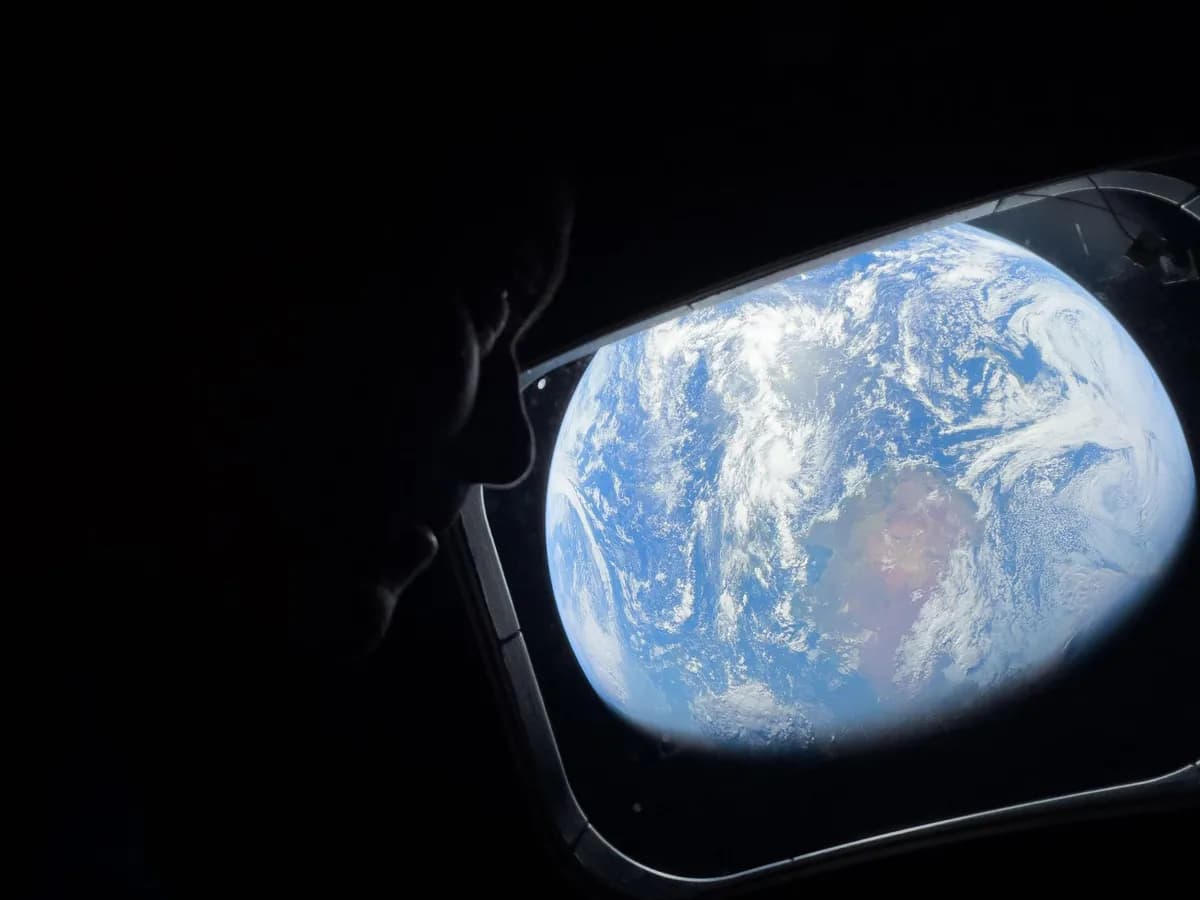
m. ET/EDT. The crew consisted of NASA astronauts Reid Wiseman, Victor Glover, and Christina Koch, and Canadian astronaut Jeremy Hansen.
They were recovered by helicopters and delivered to the USS John P. Murtha. The mission lasted approximately 10 days.
The crew traveled around the moon and set a new record for the farthest distance ever traveled from Earth. The astronauts struggled to walk normally upon return due to effects of microgravity. All four astronauts were able to walk unaided after splashdown.
NASA officials called the Artemis II mission a total success. The Orion spacecraft's heat shield has known design flaws. NASA plans to alter the heat shield material for future missions.
The Artemis II mission experienced delays due to technical issues. Specific technical issues included helium flow problems and a faulty helium seal. A hydrogen leak was detected during a wet dress rehearsal.
A last-minute Flight Termination System issue was resolved before launch. NASA is in a race with the Chinese space agency to send astronauts to the moon. The Artemis program depends on SpaceX's Starship Human Landing System.
The exact current status and timeline of the Artemis program remains uncertain following this mission. What specific technical issues are most critical to resolve for future Artemis missions remains an open question. How severe the heat shield flaws are and what the exact plan to fix them constitutes another significant unknown.
The likelihood of further delays to the Artemis III mission cannot be determined at this time. How NASA's competition with China affects the Artemis program's schedule and priorities represents another area of uncertainty.