

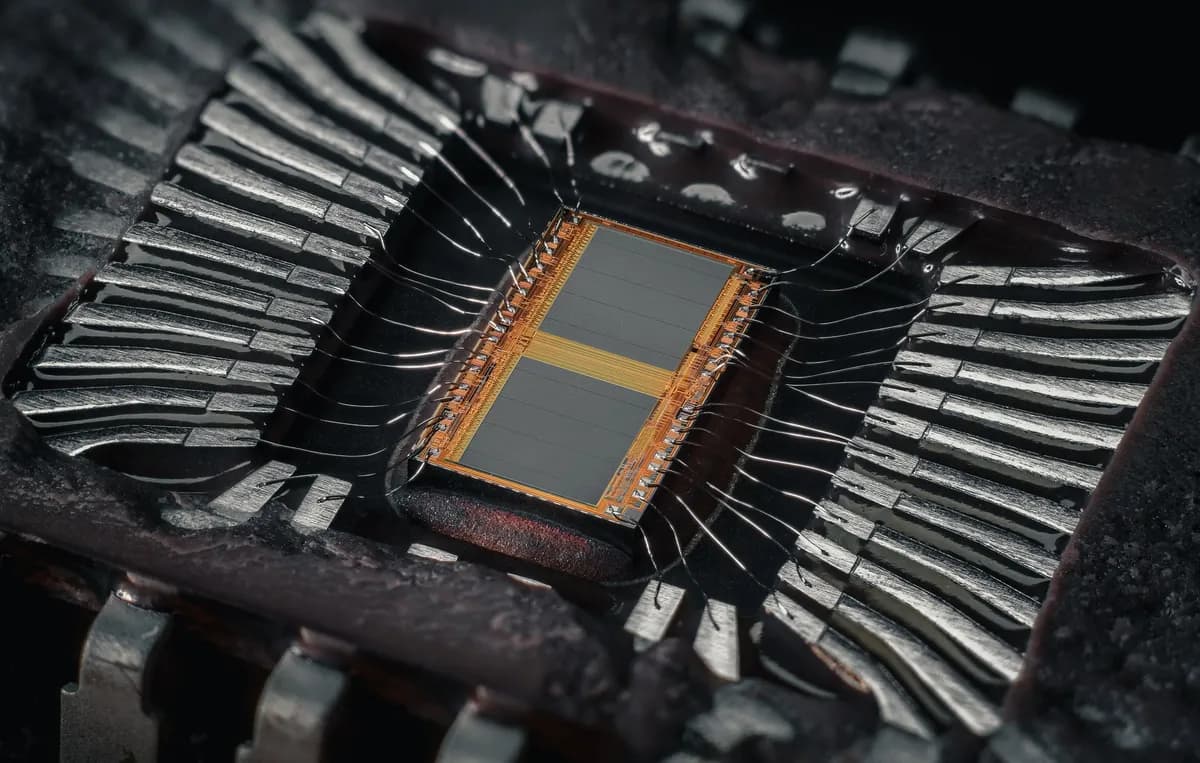
Arm unveiled its first in-house processor, the AGI CPU, at an event in San Francisco on Tuesday, representing the first time the company has produced its own silicon beyond its long-standing model of licensing designs to chipmakers. Arm will begin delivering its own chips with the Arm AGI CPU, a data centre processor that places the company in more direct competition with some of its own customers, as well as established chipmakers including Intel and AMD. This shift signals a significant move into hardware manufacturing as Arm aims to capture a share of the growing AI infrastructure market.
Key partnerships and early adoption highlight the chip's market positioning, with Meta among the first companies to adopt the new processor. Meta is ramping up spending on AI data centres and has already secured chips from Nvidia and AMD as part of its broader push into AI. More than 50 partners, including companies such as Google, Amazon, Microsoft, Oracle and Samsung, have signalled support for the platform, indicating broad industry interest in Arm's new offering.
Manufacturing details and production timeline reveal that the AGI CPU is being manufactured by Taiwan Semiconductor Manufacturing Company using advanced 3-nanometre technology, with the chip expected to enter production later this year. However, specific performance metrics, such as the exact improvement in performance or energy consumption reduction compared to existing processors, have not been disclosed. Additionally, production volumes, including how many units are expected to be produced or sold in the first year, remain unknown.
Arm has expanded its chip development efforts, building new facilities in Austin, Texas, and growing its engineering team as it moves further into hardware. The new processor is designed to improve performance while reducing energy consumption, with Arm stating that the AGI CPU has been designed with those demands in mind, focusing on performance and energy efficiency in power-constrained data centres.
Executive and analyst perspectives shed light on the strategic implications of Arm's move. Arm boss Rene Haas said the move would give partners more choice as they build AI infrastructure at scale. Industry analysts said even a small share of the spending on AI infrastructure could represent a significant revenue opportunity for Arm, given the scale of capital being deployed by large technology firms. Analysts also said the move could open up new revenue streams as demand for AI infrastructure grows, though it may also affect margins compared with its licensing-heavy model. However, unknowns persist, including the exact pricing or cost structure for Arm's new chips compared to its licensing model and how Arm will manage potential conflicts with its existing customers who are now competitors.