

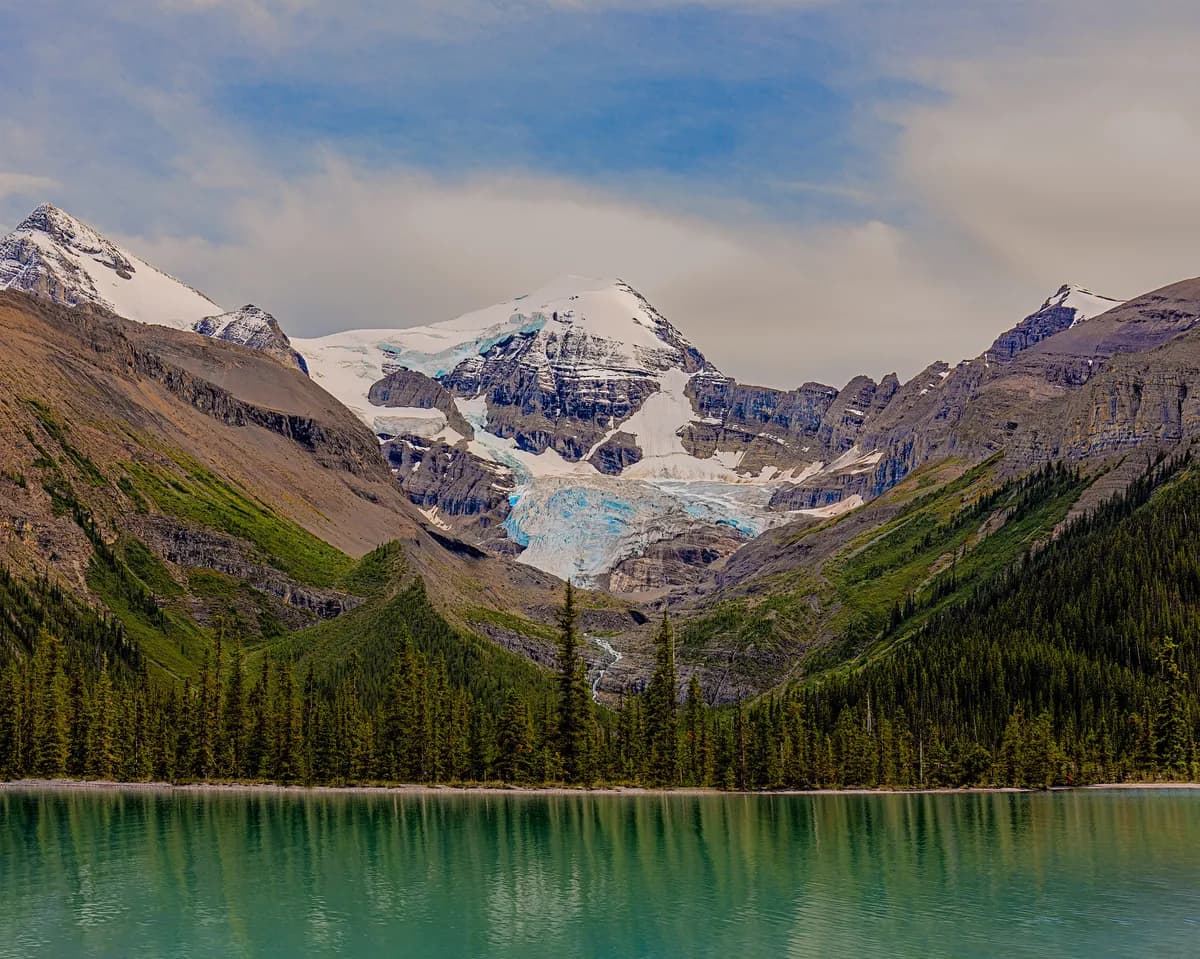
The amendment modifies the pioneering Glacier Law, approved in 2010, which prohibited all mining and exploration activities in glacier regions by protecting them as water reserves. Governors from the mineral-rich provinces of Catamarca, Jujuy, Salta, Mendoza and San Juan had expressed their support for the bill, arguing the 2010 law hindered the goal of 'promoting a sustainable economic development of the provinces and the Nation without compromising future generations'. Environmentalists say the amendment weakens protections for crucial water sources, with opponents arguing it would put a fundamental resource - water - at risk.
Greenpeace has criticised the bill for arguing that not all glaciers and periglacial environments act as strategic water reserves. Argentina's Senate had already approved the bill in February 2026, so approval by the lower house was the last major hurdle left. There are 16,968 glaciers in Argentina, providing water to 36 river basins across 12 provinces, home to seven million people.
Following the reform, glaciers and periglacial environments will be protected by the national Ianigla inventory until provincial leaders prove they do not serve as 'strategic' water reserves. It remains unclear what specific mining projects are now enabled or expedited by this amendment, how provincial governments will define 'strategic' water reserves, and what immediate environmental or economic impacts are expected from this reform.