

The story of the once largest iceberg in the world is coming to an end. After an eventful journey, A23a melted, broke apart, and spectacularly disintegrated last year. New satellite images from early March provide clear indications that the colossus will likely soon completely dissolve.
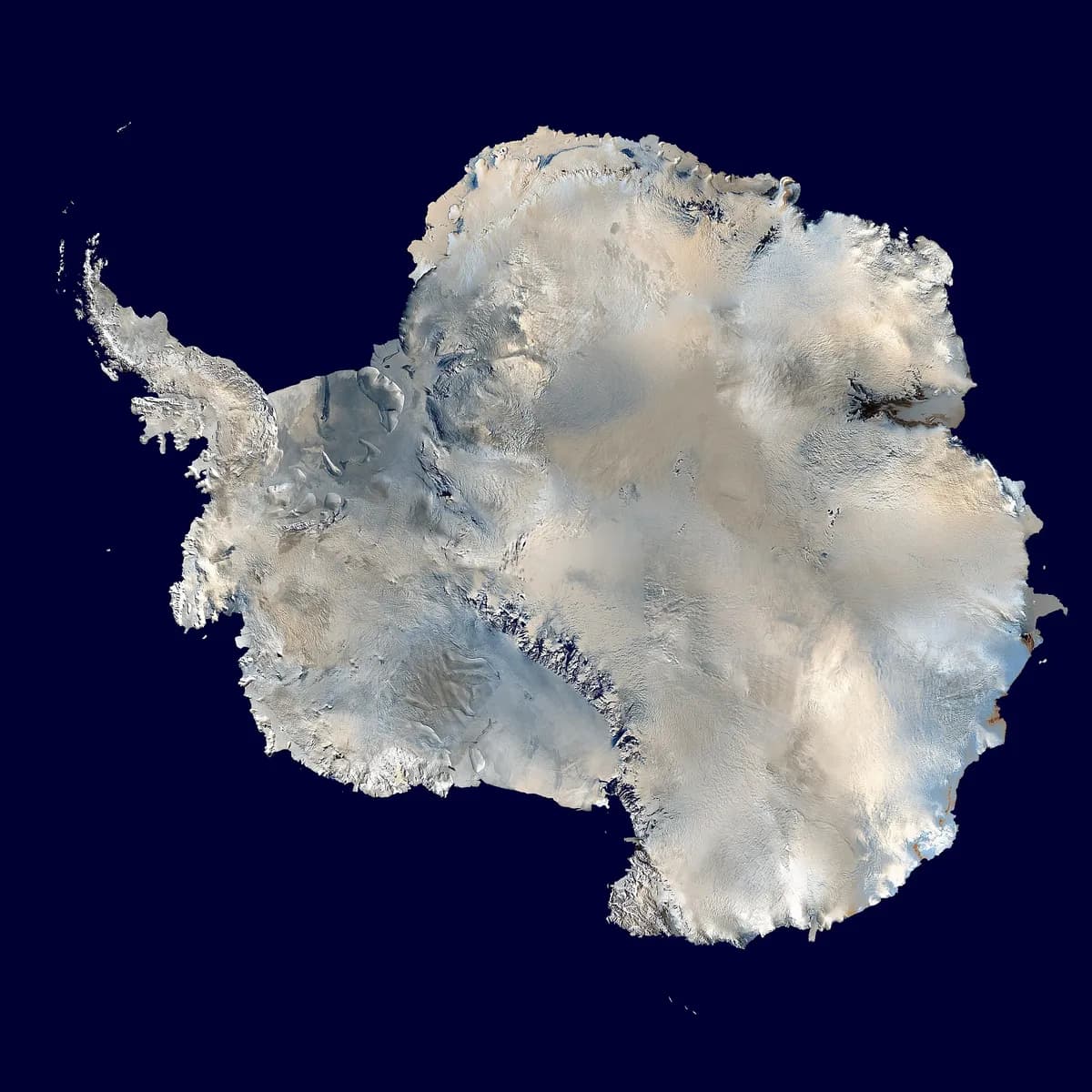
With an original area of about 4000 square kilometers, A23a long counted among the most massive icebergs on Earth. In 1986, it broke off from the Antarctic Filchner-Ronne Ice Shelf and sat stuck on the seafloor for decades. After it detached in the year 2000, it got caught in circulating ocean currents and remained trapped there for years, before it rapidly drifted north from Antarctic waters in November 2023.
At the end of December, warm air additionally affected it. On satellite images, shimmering light blue areas were visible on its surface. ' After the latest measurement from Thursday, March 5, A23a encompasses only about 180 square kilometers.
5 percent of its original area. That icebergs that advance so far north disintegrate is not unusual. Warmer ocean temperatures and changed weather conditions accelerate their decay.
A23a will likely soon share the fate of many of its predecessors and finally disappear in these waters.