

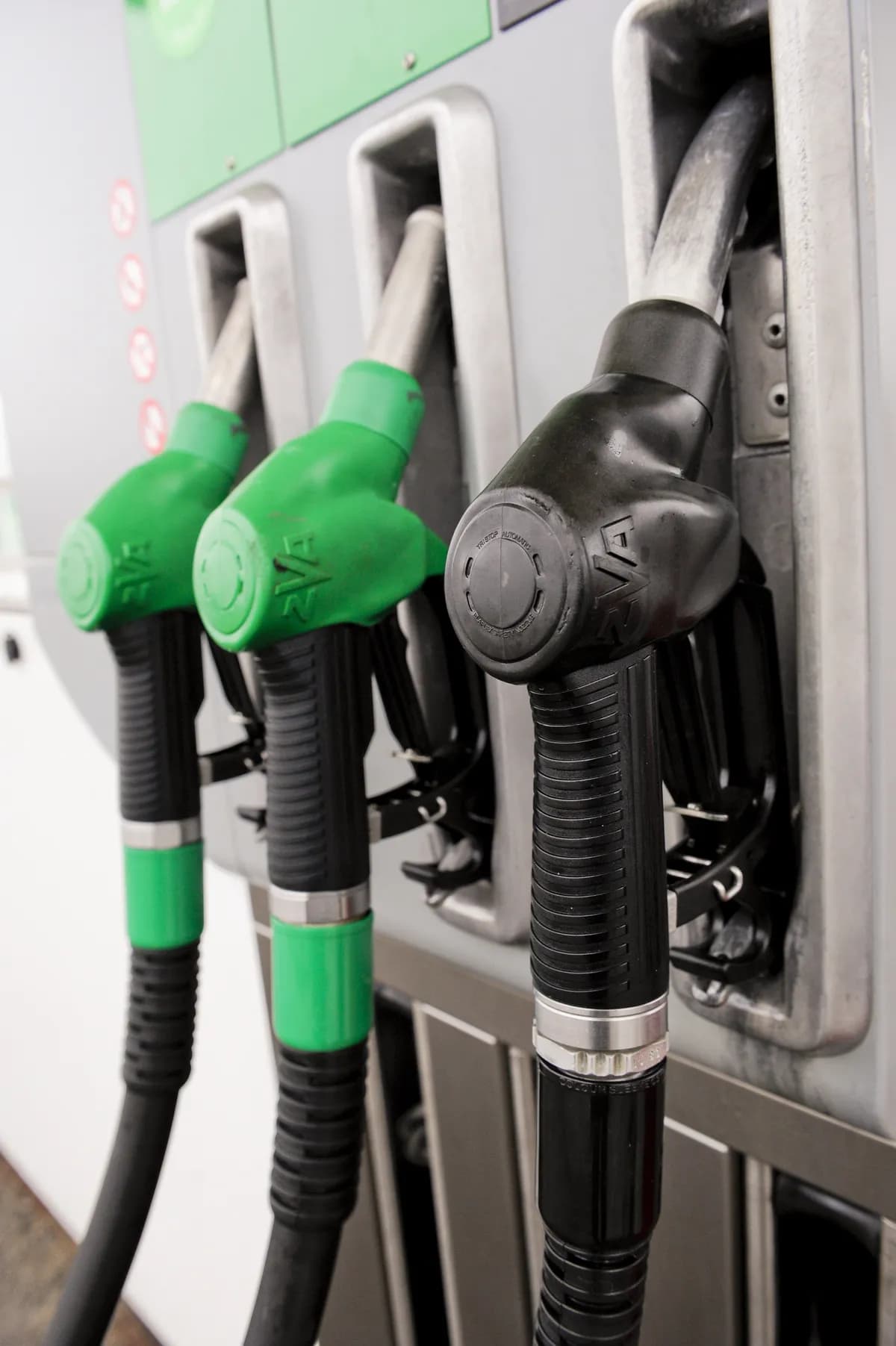
Amazon is implementing a new 3.5% fuel and logistics surcharge on its Fulfillment by Amazon (FBA) services. The surcharge takes effect on April 17, 2026, for FBA services in the U.S. and Canada and for Remote Fulfillment with FBA shipping from the U.S. to Canada, Mexico, and Brazil. It is temporary and designed to offset elevated fuel and logistics costs. Amazon has absorbed increased costs so far but implements temporary surcharges when costs remain elevated, similar to other major carriers. The surcharge averages approximately $0.17 per unit for U.S. FBA sellers, varying based on product size and dimensions. Amazon did not provide a timeline for when the surcharge will be removed. The surcharge is likely to impact Amazon customers through price increases. Other major shippers like FedEx and UPS have also introduced new fees to cover rising fuel costs. UPS introduced a $0.64 per-pound fee for parcels traveling between the U.S. and 15 Middle Eastern countries in March 2026. FedEx applies a $0.50 per-pound charge for parcel and freight shipments between the U.S. and the Middle East, South Asia, and Africa, and a $0.70 per-pound fee for shipments from those areas to the U.S.
This surge in logistics costs is rooted in a dramatic shift in global energy markets, which had previously shown remarkable resilience. There is consensus among oil market participants that the long-held assumption of a correlation between oil price and Middle East regional risk is broken. Since October 7, 2023, oil prices have remained in the range of $70 to $90 per barrel of Brent crude, with highs in October 2023 and after the April 2024 Iranian attack on Israel. High oil prices after slight spikes were never sustained and quickly flattened during tense points of kinetic activity in the Israel-Gaza conflict. Devastation in Gaza and Lebanon and direct strikes on Israel and Iran have not severely affected the physical assets of oil and its transport and delivery. Despite Houthi threats, oil shipments have found workarounds in longer transport routes, and energy products and tradeable goods have been marginally affected. Israel's gas exports to Egypt and production in its offshore fields have remained resilient, and Israeli energy infrastructure remains intact.
Despite this stability, the broader Middle East conflict had already inflicted severe economic damage on some regional economies prior to the 2026 escalation. Lebanon will suffer a 9.2 percent loss of GDP this year, according to UNDP estimates. Egypt has suffered revenue losses of $1 billion per year due to decreased traffic in the Suez Canal. Heavy sanctions have not prevented Iran from meeting its customers' needs in China and beyond, with oil exports in 2024 estimated at 1.7 million barrels per day.
The situation transformed radically in February 2026. The United States-Israeli war on Iran and Tehran's retaliatory strikes have upended global financial and energy markets, raising concerns of a global economic crisis and recession. Since US-Israeli strikes on Iran began on February 28, 2026, Tehran has launched ballistic missiles targeting Israel, US military bases, oil depots, and other infrastructure across the Gulf region. Iranian attacks on vessels passing through the Strait of Hormuz have dramatically reduced traffic in the channel, through which about 20 percent of global oil and gas supplies transit. Iran attacked fuel tankers in Iraqi waters on Thursday.
The immediate impact on energy markets has been severe. As of Monday morning, Brent crude was priced at $106 per barrel, up more than 40 percent from $72 per barrel on February 27, 2026. Liquified natural gas (LNG) prices have risen by almost 60 percent since the start of the war, according to Muyu Xu, a senior crude oil analyst at Kpler. QatarEnergy suspended its LNG production after an Iranian drone attack on March 2, 2026, straining the global LNG market. Prices of refined products have seen significant increases and are expected to continue rising if energy flows through the Strait of Hormuz remain largely shut, according to Muyu Xu.
This disruption has sent shockwaves through Asia, which is heavily dependent on Middle Eastern energy. Countries, particularly in Asia, are scrambling to secure alternative supplies at higher prices and adopt emergency measures due to disruptions in Middle East Gulf crude oil and refined products. About 84 percent of crude oil and 83 percent of LNG that passed through the Strait of Hormuz in 2024 was bound for Asia, according to US Energy Information Administration data. China, India, Japan, and South Korea accounted for nearly 70 percent of oil shipments through the Strait of Hormuz, with about 15 percent bound for the rest of Asia.
Analysts project starkly different outcomes depending on the conflict's duration. If the conflict is short-lived and Iranian attacks cease, oil and LNG prices would fall back sharply with Brent crude reaching $65 per barrel by year-end, according to a Capital Economics report. In case of a longer war, oil prices would rise further to around $130 per barrel in Q2, and shipments through the Strait of Hormuz would be severely disrupted, according to a Capital Economics report.
The scale of the current disruption is unprecedented. The 2026 Iran war, including the closure of the Strait of Hormuz, has led to the largest supply disruption in the history of the global oil market, according to the International Energy Agency. The impact of the conflict echoes the 1970s energy crisis through acute supply shortages, currency volatility, inflation, and heightened risks of stagflation and recession.
Global financial markets have reacted sharply. Interest rate reductions were expected to be postponed or increased due to higher inflation from supply shortages and speculation. Stock markets experienced declines globally and there was a global bonds market sell-off.
The regional impact of the Strait of Hormuz closure has been catastrophic. Arab states of the Persian Gulf and Iran rely on the Strait of Hormuz for energy exports and grocery imports, with only Saudi Arabia and UAE having limited alternative routes. The war has caused a systemic collapse of the Gulf Cooperation Council economic model. Following the closure of the Strait of Hormuz on 4 March 2026, oil and LNG exports were stranded, causing Brent Crude to surge past $120 per barrel and forcing QatarEnergy to declare force majeure on all exports.
Oil production has collapsed across key producers. Oil production of Kuwait, Iraq, Saudi Arabia, and the UAE collectively dropped by 6.7 million barrels per day by 10 March and by at least 10 million barrels per day as of 12 March 2026. The maritime blockade triggered a grocery supply emergency across Gulf Cooperation Council states, disrupting 70% of food imports by mid-March and causing a 40–120% spike in consumer prices.
The crisis has rapidly escalated beyond economics. The crisis shifted toward fears about a humanitarian crisis following Iranian strikes on desalination plants, the source of 99% of drinking water in Kuwait and Qatar. The exact casualty figures and broader humanitarian impacts beyond this economic data remain unknown.
The regional aviation sector has faced near-total collapse. The regional aviation sector, including Emirates and Qatar Airways, faced a near-total cessation of operations due to multi-national airspace closures, disrupting global air travel. Gulf states are unlikely to sustain high levels of investment spending during or after the war, according to Deutsche Welle. The war has been described as the end of the narrative that the Gulf is a permanently safe destination for expatriates, immigrants, and tourists. The Qatar-funded Middle East Council on Global Affairs suggested the war has irreversibly shaken the region's image, exposing fragility beneath the Gulf's rapid economic transformation.
