

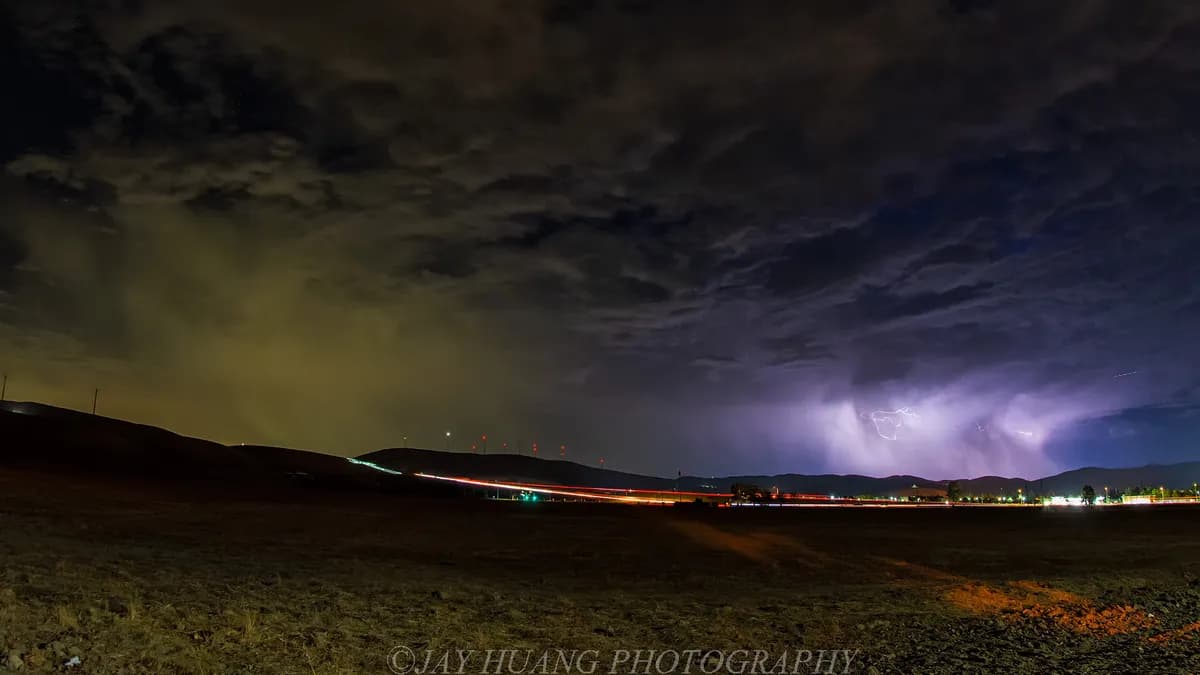
At least 14 people have died across Bangladesh after a series of lightning strikes on Monday, officials said. The fatalities occurred in various districts as sudden, intense thunderstorms brought heavy rainfall and powerful electrical discharges. Most of the victims were farmers working in open fields and labourers caught in exposed outdoor locations, according to local authorities. Several others sustained injuries and were transported to nearby hospitals, with some reportedly in critical condition. The exact number of injuries and the specific districts affected have not been confirmed.
Bangladesh declared lightning strikes a natural disaster in 2016. The country experiences hundreds of deaths annually from lightning strikes. In May 2016, over 200 people perished from lightning strikes, 82 on a single day. Experts say the rise in fatal lightning strikes is linked to deforestation, which has led to the disappearance of many tall trees that previously helped draw lightning away from people. Lightning-related fatalities are common during the pre-monsoon months of April to June. Higher temperatures lead to more water vapour in the atmosphere, which cools at higher altitudes and generates the electrical charges that spark lightning.
Neighbouring India is witnessing an alarming rise in lightning-related deaths, driven in part by the effects of climate change, researchers say. Over 101,000 lightning-related deaths were recorded in India between 1967 and 2020 – nearly 1,900 each year. India's population grew to 1.4 billion people.