

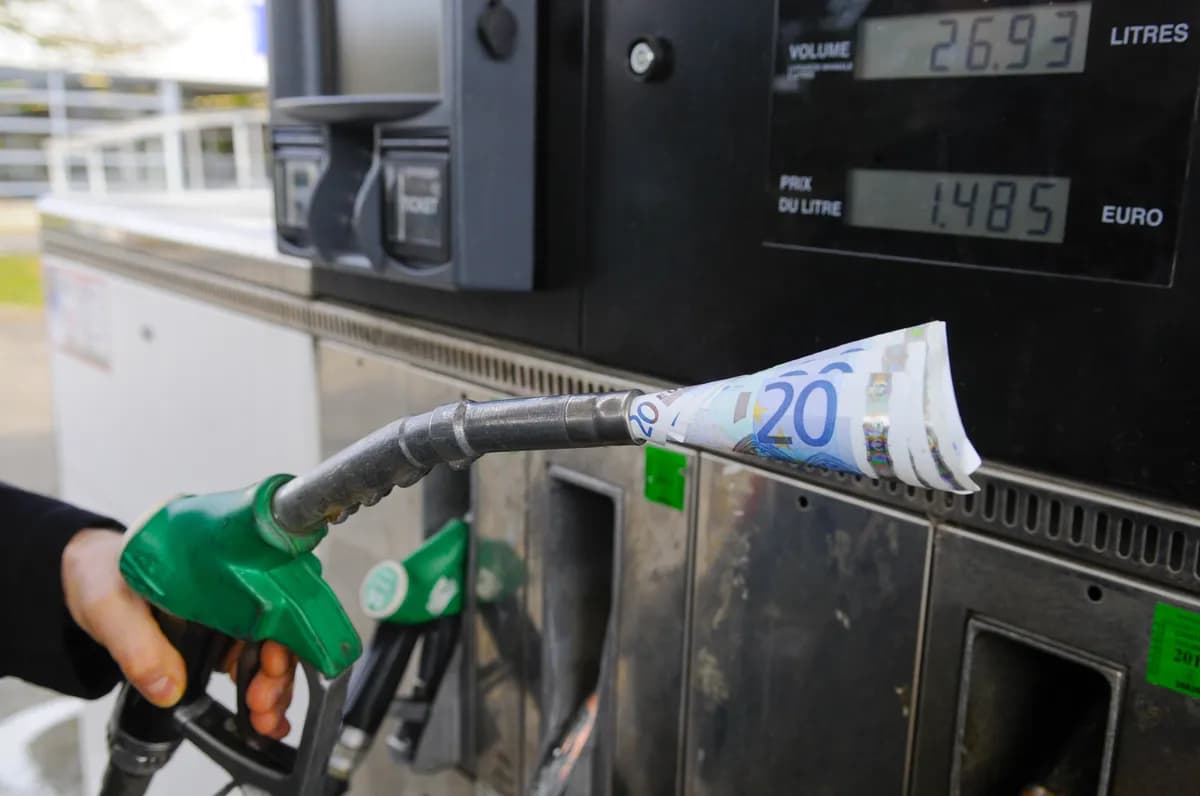
The war in the Middle East is upending lives and livelihoods in the region and beyond, dimming the outlook for many economies, according to research from eight sources. This global shock is asymmetric, with energy importers more exposed than exporters, poorer countries more than richer ones, and those with meager buffers more than those with ample reserves. All roads lead to higher prices and slower growth due to the war, the research indicates, as large energy importers in Asia and Europe bear the brunt of higher fuel and input costs. Parts of the Middle East, Africa, Asia-Pacific, and Latin America face the added strain of higher food and fertilizer prices and tighter financial conditions.
The de facto closure of the Strait of Hormuz and damage to regional infrastructure have produced the largest disruption to the global oil market in its history, according to the International Energy Agency. About 25 to 30 percent of global oil and 20 percent of liquefied natural gas pass through the Strait of Hormuz, research from eight sources shows, with the waterway carrying a fifth of the world’s oil and gas supply. Continuing threats against oil tankers in the Strait of Hormuz have effectively cut off this vital supply route, as energy shipments from the Middle East have been at a standstill following Iran's threats to attack vessels that pass through a critical trade waterway as retaliation against US-Israeli strikes. About a fifth of the world's oil passes through the Strait of Hormuz – around 20 million barrels each day, according to estimates from the US Energy Information Administration, with the Strait also handling a similar share of international liquid natural gas trade.
Since late February, there has been a rapid, sharp rise in wholesale gas and electricity prices due to the escalating conflict between Iran, Israel and the US, research from eight sources indicates. Key oil and gas facilities across Gulf states have been damaged including strikes on a major liquefied natural gas production base in Qatar. Oil prices have at points soared to close to $120 a barrel, with the primary driver remaining the Iran conflict, which continues to push oil prices higher and keep volatility elevated.
Europe remains vulnerable to global energy disruption as the EU still relies on energy imports from other countries. Europe has replaced Russian gas imports with LNG imports – 6% of which come from Qatar via the Strait of Hormuz. In Italy, member Altroconsumo has found the average price of petrol and diesel has increased by at least 3% since the start of the conflict, with peaks of almost +6% for diesel between 25th February and 5th March. Italy has taken a proactive stance on price speculation, with the government holding weekly meetings to monitor energy price movements and preparing plans to curb any speculative behaviour, according to research from eight sources.
Asian economies are disproportionately affected by the Middle East crisis due to their dependence on oil and gas imports from the region. The blockade has led to a global oil shortage which has rocked Gulf-reliant Asian countries hard, research from eight sources shows. Import-dependent Asian economies are disproportionately affected by the blockage because the vast majority of the oil and gas delivered via the Strait is destined for these countries.
China uses an estimated 15 to 16 million barrels of oil daily, according to various market analysts. Gulf countries are a major source of the oil China ships in, with barrels from Saudi Arabia and Iran accounting for more than 10% of its imports each, the US Energy Information Administration reports. Russian oil accounts for nearly a fifth of China's energy imports, making Moscow by far Beijing's biggest oil supplier, research from eight sources indicates. Coal is the dominant source of power for most of China's electricity, and is available in abundance locally, with China being the world's largest coal producer, accounting for more than half of global production.
U.S. equities closed lower last week as geopolitical risk and rising energy prices pressured sentiment, research from eight sources shows. Markets are increasingly pricing a prolonged energy shock with implications for inflation and corporate margins. Rising gasoline prices are feeding into inflation expectations, with headline CPI expected to move toward 3.5% year-over-year in coming months.
The Organisation for Economic Co-operation and Development projects global GDP growth to moderate from 3.3 percent in 2025 to 2.9 percent in 2026, before edging up slightly to 3 percent in 2027. Inflation across the G20 economies is now expected to be significantly higher than previously forecast, projected to reach 4 percent in 2026. In a more adverse scenario where energy prices remain elevated for longer, global growth could fall by an additional 0.5 percentage points, while inflation could rise by a further 0.9 percentage points.
The heads of the International Energy Agency, International Monetary Fund, and World Bank announced the creation of a joint coordination group to address the economic and energy fallout from the ongoing Middle East war, according to research from eight sources. The group will evaluate regional impacts, including higher fuel and fertilizer costs, trade bottlenecks, and shortages of key commodities such as helium, phosphate, and aluminum.
Several Asian countries have introduced adaptation measures to cope with the crisis. Thailand is promoting a shift from suits to T-shirts for workers to lessen reliance on air conditioning, while IT services companies in India advised staff to bring their own food due to the Middle East crisis affecting cafeterias. Several Asian countries have introduced a four-day workweek to cut back on fuel consumption, including the Philippines and Pakistan.
The specific military actions or events that triggered the current blockade of the Strait of Hormuz have not been detailed publicly. It remains unclear how long the blockade is expected to last or what conditions might lead to its resolution. The exact casualty figures and humanitarian impacts of the conflict in the Middle East have not been confirmed.
Beyond the measures already mentioned, the specific steps governments and international organizations are implementing to mitigate the economic impacts are still emerging. How global financial markets and central banks are adjusting their policies in response to the prolonged energy shock is also not fully known.
Surging oil and gas prices, supply chain disruptions, and rising inflation strain economies worldwide, with the heaviest impact on low-income and energy-importing countries, research from eight sources indicates. The global economy is facing renewed uncertainty as escalating conflict in the Middle East disrupts energy markets and weakens growth prospects, according to the Organisation for Economic Co-operation and Development.