

Italy is set for significant disruption throughout April, with a series of strikes that could affect British holidaymakers, according to multiple reports. Official figures from the Ministry of Transport indicate Italy will see 14 strikes spread across six days in April. Italy receives around five million visits from UK travellers every year, according to official data, making the timing particularly impactful for spring travel. This latest round of industrial action follows other walkouts staged across Europe this year, which have caused travel chaos across popular hubs. In February, public transport workers across Germany staged a 48-hour strike in protest over pay and working conditions. During the same month, travel disruption also hit Italy, with the country's national carrier cancelling more than half its flights, and staff staged a 24-hour walkout on February 26 impacting more than 100,000 passengers across an estimated 750 flights, with personnel at ITA Airways and easyJet joining, including pilots, cabin crew and airport ground staff.
The aviation sector in Italy will be affected in April with three major tourist cities facing action, according to multiple reports. The first strike date will be on Thursday, April 10, according to Italian newspaper Corriere della Sera. Air traffic control, ground staff and flight attendants in Italy are set to strike on April 10, and Il Gazzettino reports that eight strikes will hit the aviation sector simultaneously on that day. Italian broadcaster Espansione TV reports April 10 promises to be a challenging day for those planning to travel by air in Italy.
The walkouts in Italy on April 10 are almost all lasting four hours from 1pm to 5pm and taking place nationwide, according to multiple reports. Key locations affected include area control centres in Rome and Milan and major airports such as Naples, Malpensa in Milan, and Rome Fiumicino. Travellers are being warned that delays and cancellations could occur, and Italian media reports say the action could have potential knock-on effects on flights and routes throughout Italy. The exact number of passengers affected and the economic impact on tourism remain unknown, as do specific contingency plans airlines and airports are implementing to minimize disruption.
Beyond aviation, between April 13 and 24, there will be a further five strikes in local public transport in Italy, all regional or company-specific, according to multiple reports. Cities affected include Naples (Eav), Florence (Gest), Vasto, and Milan, where the ATM group will cease operations for eight hours on April 24. There will be a strike in the rail sector on April 13, affecting on-board catering services rather than train operations, according to local media reports.
Additional sectoral strikes include a maritime walkout on April 17 in the Strait of Messina, with an eight-hour stoppage by BluJet staff. On April 19, Gest tram staff in Florence will strike for four hours from 1pm to 5pm, and on April 20, public transport in Chieti will be disrupted from 9am to 1pm. A public transport strike will also take place in Lombardy on April 24 in Milan when drivers and train operators strike from 8.45am to 3pm. From April 14 to 18, freight transport in Sicily is expected to grind to a halt, with protests likely to impact logistics and product distribution across the island.
Other professional groups are also taking action. On April 16, press workers in Italy will strike in protest at the failure to renew the national contract. On April 17, doctors and healthcare workers will also walk out, with unions condemning the failure to renew their contracts.
Simultaneously, Belgium is bracing for widespread disruption across sectors including public transport and schools due to a three-day national strike. The strike is a protest by public sector workers demanding better wages and working conditions, according to research sources. The nationwide walkout was called by Belgium's largest trade unions and targeted public and private sectors, and it was called in response to Prime Minister Bart De Wever's attempts to shrink Belgium's debt by changing labor laws and reforming unemployment benefits and pensions. Teachers, medical staff, and rubbish collectors are joining the industrial action.
Rail workers in Belgium are currently striking, with action beginning on Sunday 8 March in protest of the government's labour and pensions reforms, according to multiple reports. The walkout is set to continue until the end of services on Wednesday, 11 March. However, there is confusion over the duration, as railway strikes are expected from 10pm on Sunday 8 March to the last train on Thursday 12 March, with a general strike on March 12 projected to cause severe travel disruption across public transport services, according to the Foreign Office. The strike is meant to unfold in three stages: trains and public transport on Monday, public services on Tuesday, and a full general strike on Wednesday, according to research sources.
To ensure the safety of passengers and staff, we have decided, in consultation with the airlines, not to operate any departing flights on 12 March.
The walkouts have been organised by unions representing railway staff across the country. During the rail stoppage, most long-distance rail journeys will continue to run, although travellers are warned to prepare for higher levels of cancellations on local services. According to state operator SNCB, a 'limited number' of trains will run throughout the strikes, with services operating according to an alternative timetable based on staff availability. Due to a strike movement organized by the socialist union CGSP against certain government decisions, train traffic will be reduced from Sunday 8 March at 10:00 PM until Wednesday 11 March inclusive, according to SNCB. An alternative service is being implemented based on staff members who have indicated their intention to work, but the specific alternative timetables or services available beyond general descriptions remain unknown.
Service levels will vary. On Monday, seven out of ten IC trains (which connect major cities) will run, as well as one out of two L and S trains, with few P trains, usually scheduled during peak hours, provided. SNCB specifies that all Sunday evening P trains intended for students will run normally. These trains usually reinforce service to cities like Brussels, Leuven, Ghent, Liège, or Louvain-la-Neuve to allow students to return to their accommodations. The impact of the strike will vary by day, and SNCB advises travelers to plan their journey by regularly consulting the online travel planner, which includes the alternative service. Detailed information is also available on the operator's website, and for international rail traffic, travelers are invited to consult the SNCB International website.
Air travel is also heavily impacted. Brussels Airport is set to experience 'major' disruption from Thursday's strike due to security and ground handling staff walking out, according to multiple reports. Brussels Airport confirmed no regular departing passenger flights would operate during the strike period, and Brussels South Charleroi Airport announced a complete shutdown of commercial traffic for the day. The two main airports advised customers that all departure flights will be canceled on Wednesday. Bruxelles-Zaventem airport expects major disruptions on Wednesday with all departure flights canceled and some cancellations possible for incoming flights. Brussels Airport stated that to ensure safety, it decided in consultation with airlines not to operate any departing flights on 12 March.
There is discrepancy in reported flight cancellation numbers. Research sources indicate Brussels Airport and Brussels South Charleroi Airport canceled 151 flights and delayed 12 more due to the strike, while other sources mention cancellations and disruptions without providing exact figures, making it difficult to assess the scale of the impact on air travel. The strike disrupted operations for airlines including Ryanair, easyJet, British Airways, Iberia, SAS, Vueling Airlines, and United Airlines.
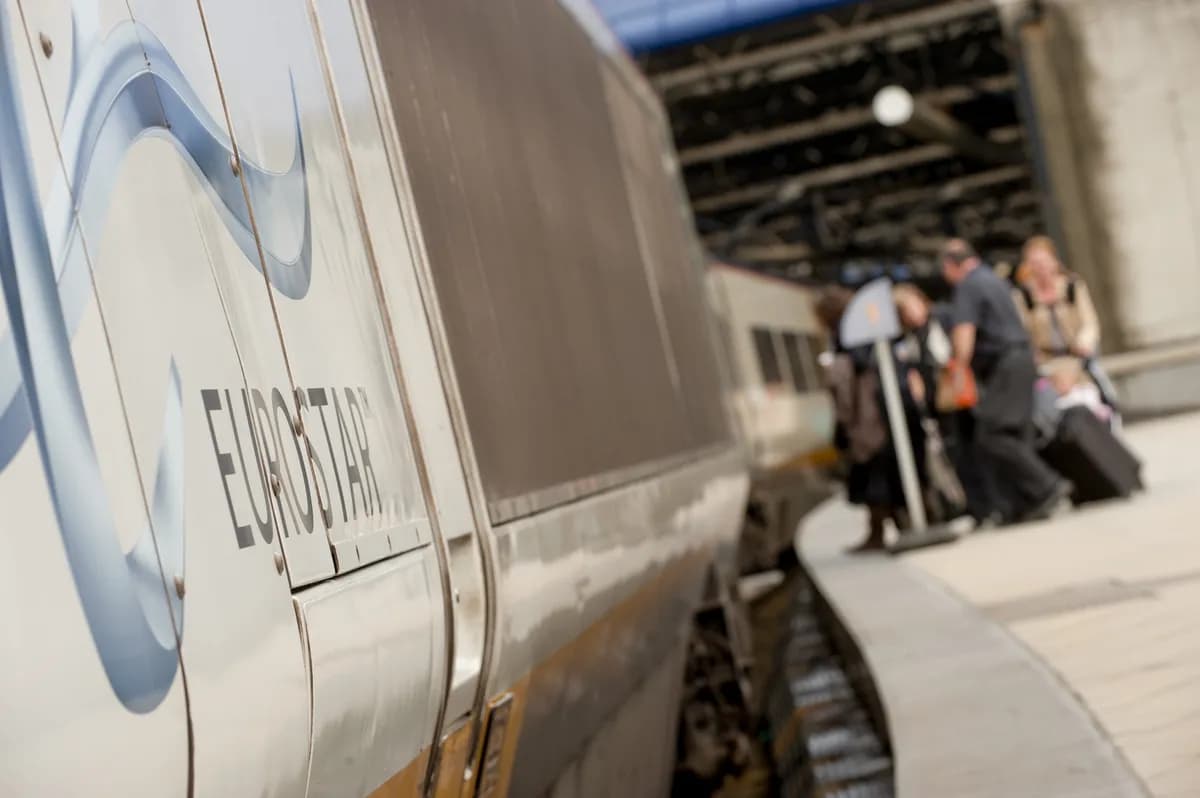
International rail services are affected. Eurostar said it had reduced the number of services operating between Brussels and Paris on Monday, 9 March, but expected to run a 'near-normal' timetable between London and Brussels during the Belgian strikes. Eurostar cautioned that domestic train services within Belgium are likely to be disrupted, which could have a knock-on effect on onward journeys, and is warning of potential disruption due to the strike. Eurostar services will be impacted on Monday ahead of a general strike affecting all travel in Belgium this week.
The national strike is impacting travelers, especially those from the UK, according to research sources. Hundreds of passengers were stranded across Belgium due to the strike. International flights are likely to be heavily affected, with potential cancellations at short notice, according to the Foreign Office. Strike action is an ongoing issue in Belgium that can cause travel disruption, the Foreign Office notes.
Historical context shows general strikes took place on 31 March, 29 April, 14 October, 26 November, and 15 December 2025, according to the Foreign Office. Demonstrations and strikes often take place in major cities, particularly in transport hubs and around the Schuman area in Brussels, and there is a risk of unrest or violence during demonstrations, according to research sources.
The implications of these strikes extend beyond immediate travel chaos. Negotiations or mediation efforts to resolve the Belgian strikes, and the likelihood of further action, remain unclear. How other European countries are responding to or being affected by these strikes, beyond the mentioned examples in Germany and Italy, is also unknown. The strikes highlight broader labor disputes and economic pressures across Europe, with potential for continued disruption as unions and governments clash over wages, conditions, and austerity measures.