

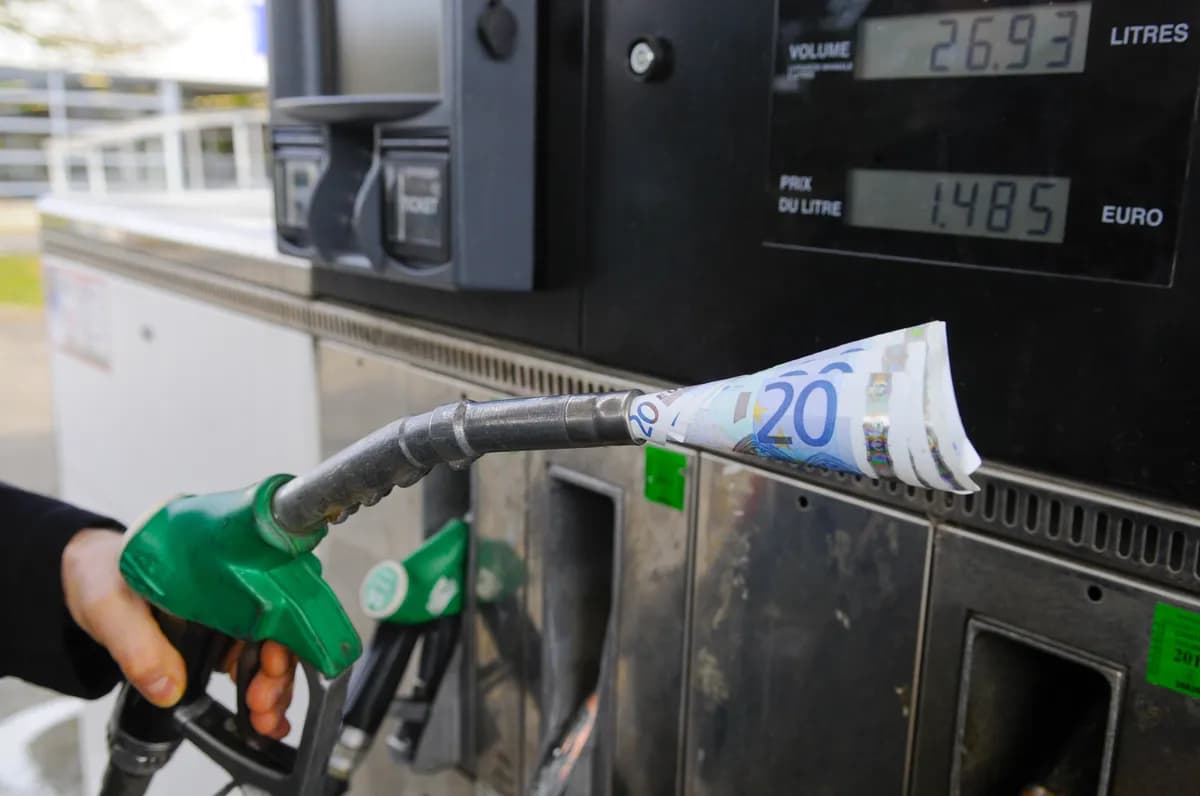
The Irish government will announce a wide range of measures in the Dáil on Tuesday to assist households and industries hit by soaring oil prices. The Irish government has a surplus of about €5 billion to combat the impact of the economic crisis sparked by the US-Israeli invasion of Iran. The Irish Dáil voted to approve measures including excise duty cuts on petrol and diesel as part of a government support package. According to Daily Mail - News, a Cabinet source described the surplus as significant, noting that while everyone is asking for short-term bill relief, the government must consider where the crisis will be in six to twelve months. The source added that the government has €5 billion available for the short-term package, emphasizing it is not limitless. Taoiseach Micheál Martin stated that the measures are 'targeted and temporary' and will be reviewed subject to market developments. He also cautioned that there are limits to what governments can do in response to a crisis of this kind and that sustainability is a priority. It remains unknown whether the Irish government's €5 billion surplus will be sufficient for long-term crisis interventions.
Fuel prices on forecourts in Ireland have started to fall after the government cut taxes on petrol and diesel. The Irish government's measures include a temporary increase in the maximum rebate under the Diesel Rebate Scheme to 12 cent per litre until 30 June. According to BBC News - Business, Eugene Drennan, former president of the Irish Road Haulage Association, described the package as insufficient, saying they would have liked to have seen more. He noted that prices will not reduce significantly from the recent cuts and called for immediate further action if another glitch occurs. The effectiveness of these measures in mitigating inflation and protecting vulnerable households is still uncertain.
Thank God we have a surplus – and a significant one. While, understandably, everyone is asking what can be done to help them pay bills in the short term, our job is to look at where this crisis is in six months or 12 months’ time.
Spain's Prime Minister Pedro Sánchez said his government would mobilise €5 billion to shield the economy from the impact of the war in Iran. Spain's government approved a €5 billion emergency package comprising 80 measures aimed at shielding households and businesses from the Iran war's economic effects. Consumer prices in Spain accelerated sharply in March, with inflation at 3.3%, driven by a sharp rise in fuel and lubricant prices. According to Daily Mail - News, a Cabinet source explained that running budget surpluses allows a country to respond to economic shocks, contrasting Ireland's stable borrowing costs with rising costs in deficit-laden Britain. Sánchez stated that the war will cost Spaniards €5 billion, highlighting the financial burden. The full economic impact of the war on global markets and its duration are not yet clear.
Spain's package includes a reduction in VAT on fuel from 21% to 10%, alongside a cut in excise duties on hydrocarbons. The Italian government approved a temporary reduction in fuel excise taxes earlier in the week. Social Democratic Party leader Magdalena Andersson in Sweden demanded that the government temporarily lower the tax on fuel. Andersson argued that Europe cannot be this dependent on dictatorships' oil, calling for reduced reliance on foreign energy sources. These broader European responses come as governments grapple with how to cushion citizens from energy price spikes.
There are two longer-term reserve facilities, but when we are asked next week how we are paying for this short-term package, we will say that it’s from our surplus. It’s not limitless, but certainly we have €5 billion.
Asia has been hit particularly hard by rising energy prices because the region gets 59% of its crude oil from the Middle East. South Korea, which depends on Middle Eastern oil for 70% of its imports, has warned of risks to its semiconductor industry. The extent to which energy price shocks will disrupt global supply chains beyond current projections is unclear, posing challenges for key industries.
Russia has increased its crude oil exports to India by 50% since the conflict began. Countries like Sri Lanka, Bangladesh, and the Philippines have introduced fuel rationing and school closures as emergency measures. These developments underscore the global ripple effects of the crisis, with nations scrambling to secure supplies and implement stopgap solutions. Whether the European Central Bank will raise interest rates in response to rising inflation driven by energy costs remains an open question, adding another layer of uncertainty to the economic outlook.
We got lambasted for setting money aside. We got told: 'You know, it’s raining now, why not spend the rainy day [fund]? Why you’re not doing more?' This is why.
This is the reason you run budget surpluses, so that if a shock comes to our economy, you have an ability to respond. If you look at what happened in Britain this week, borrowing costs significantly rose because Britain has a deficit. Our borrowing costs haven’t risen. Why? Because we have a surplus.
The measures are 'targeted and temporary' and will be reviewed subject to market developments.
There are limits to what governments can do in response to a crisis of this kind and we want to ensure what we do is sustainable.
We would have like to have seen more.
We will not reduce [prices] off the reduction yesterday. It's a help. We are at the table. But, if there's another glitch we have to get back to the table immediately to make any significant difference.
The war will cost Spaniards €5 billion.