

Hungarian Prime Minister Viktor Orbán has blocked a critical €90 billion loan to Ukraine, creating a major rift within the European Union. In the EU vote on the Ukraine loan, 25 of 27 countries said yes, but Hungary vetoed it and Slovakia voted no, requiring unanimity. European Commission President Ursula von der Leyen said the EU will deliver the loan to Ukraine one way or another, using different options. There was harsh criticism and pressure on Hungarian Prime Minister Viktor Orbán at the EU summit.
Orbán justified his veto by citing oil supply concerns through the Druzhba pipeline. He said he will not allow the loan until the damaged Druzhba pipeline supplying Hungary with Russian oil via Ukraine is repaired. Shipments of Russian oil to Hungary and Slovakia via the Druzhba pipeline have been cut off since 27 January. Hungary and Slovakia are the only two EU countries that benefit from the Druzhba pipeline, with a temporary exemption from the EU's import ban on Russian oil.
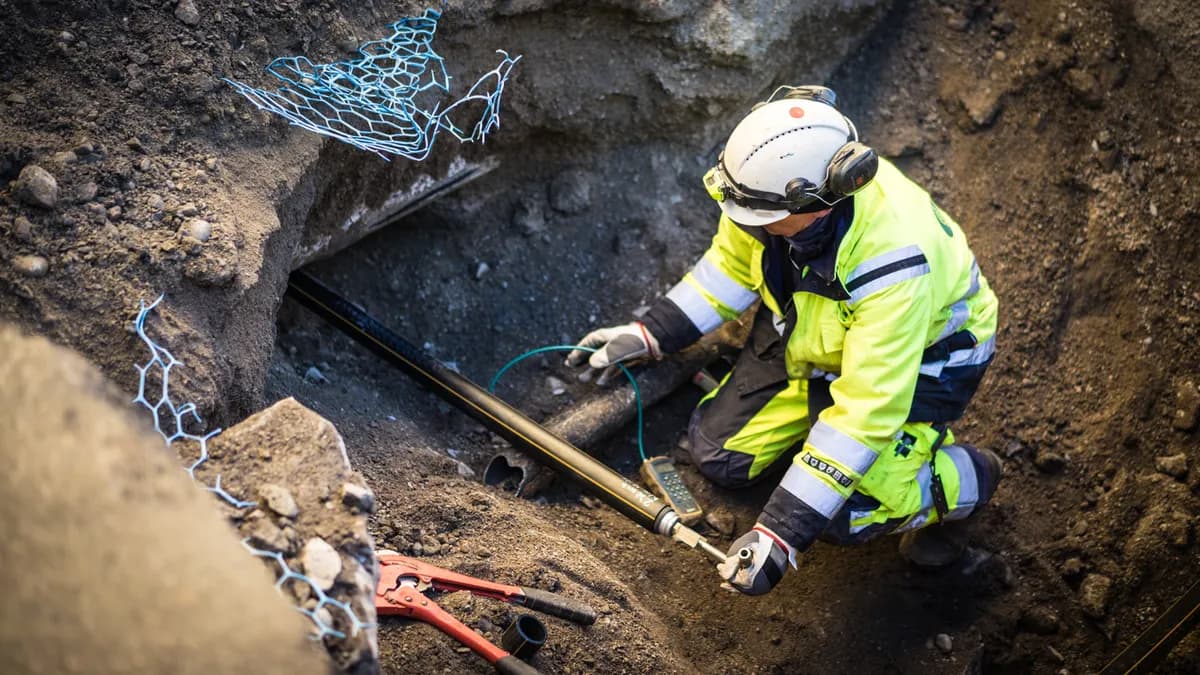
Ukraine maintains a different account of the pipeline damage. Ukraine says the Druzhba pipeline was damaged by a Russian drone attack on 27 January. Ukraine says it is actively carrying out repair and restoration works on the Druzhba pipeline but warns it cannot happen fast due to Russian bombardment. Ukraine's President Volodymyr Zelenskyy said Ukraine is undertaking all possible efforts to repair the damaged Druzhba pipeline.
The European Union has responded with mixed approaches to the pipeline issue. European Commission President Ursula von der Leyen asked Ukraine to accelerate repair works on the Druzhba pipeline. The EU has urged Kyiv to speed up reopening the Druzhba pipeline. Sweden views as acceptable a solution where the EU helps Ukraine repair the Druzhba pipeline to get Hungary to stop blocking the loan, though it sends an unfortunate signal.
Orbán proposed a fact-finding mission to inspect the damaged section of the Druzhba pipeline, endorsed by Slovak Prime Minister Robert Fico. The European Commission welcomed the idea of a fact-finding mission but did not make any commitment.
Ukraine is undertaking all possible efforts to repair the damaged Druzhba pipeline.
Slovakia has aligned closely with Hungary's position on the pipeline issue. Slovakia's leader Robert Fico accused Zelenskyy of stalling on pipeline repairs. Slovakia's government said it would stop providing emergency power supplies to Ukraine until oil supplies resume through the Druzhba pipeline. Ukraine has had to increase power imports from European neighbours due to acute shortages caused by Russian attacks.
Contradictions have emerged regarding alternative oil sources for the affected countries. The European Commission said there is no risk of oil shortages for Hungary and Slovakia, with alternative sources like the Adria pipeline available.
Orbán has escalated his accusations against Ukraine in recent statements. Orbán argues the suspension of oil flow is purely political and has accused Ukraine of preparing further actions, including sabotage. Orbán accused Ukraine, the EU, and opposition parties of co-ordinating efforts to bring a pro-Ukraine government to power in Hungary. Orbán accused Zelenskyy of blocking the Druzhba pipeline as an anti-Hungarian policy.
Critics have pointed to domestic political considerations behind Orbán's actions. Orbán's critics say he is stepping up the war of words with Ukraine to convince the public Hungary is under attack ahead of the 12 April election. Orbán has stationed soldiers at key energy facilities across Hungary after blaming Ukraine for disrupting energy supplies.
Historical context reveals previous agreements that complicate the current standoff. Orbán agreed to the €90 billion loan deal last December as long as Budapest did not have to take part. Hungary, Slovakia, and the Czech Republic pledged not to block a decision by 24 EU member states to take out the loan. Criticism of the Hungarian government is becoming more open due to the loan blockade after Orbán had explicitly approved it.
They advise us to repair it, but they know that there have already been attacks on Druzhba.
Allegations about Hungary's diplomatic practices have further strained relations. Hungary denies allegations of leaking EU meeting details to Russia. Hungary says it is routine practice to brief global partners, including Russia, the US, Turkey, Israel, and Serbia, before and after key ministerial meetings in Brussels. Hungary is fraternizing with Vladimir Putin.
Broader criticism has emerged regarding Hungary's conduct within the EU framework. Hungary ignores decisions, leaks to Russia, and is accused of corruption and legal abuse.
The pipeline damage has had broader impacts beyond the immediate diplomatic dispute. Attacks forced Russia's oil operator to reduce crude oil intake by about 250,000 barrels a day.
Key unknowns persist in this complex situation. What specific evidence, if any, supports the allegations that Hungary leaked EU meeting details to Russia remains unclear. How long it will realistically take to repair the Druzhba pipeline given ongoing Russian attacks and Ukraine's repair efforts is uncertain. To what extent Hungary's actions are influenced by its upcoming election on 12 April, as alleged by critics, cannot be definitively determined without internal documentation.
Additional uncertainties complicate potential resolutions. What alternative options the EU is considering to deliver the €90 billion loan to Ukraine if Hungary maintains its veto has not been publicly detailed. What the exact terms of the December agreement that Hungary, Slovakia, and the Czech Republic pledged not to block are, and how Orbán's current veto aligns with it, requires clarification from involved parties.