

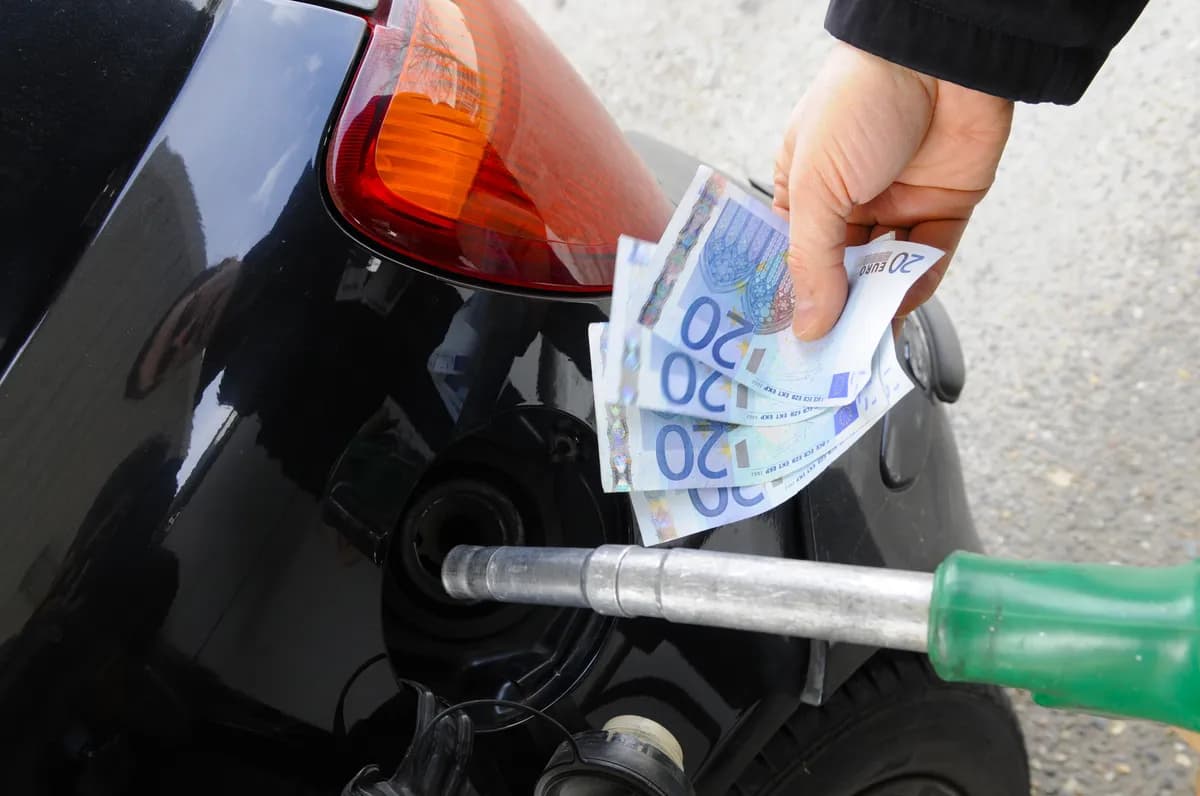
Diesel prices in Sweden have risen sharply since the start of the Iran war on February 28. Petrol prices in Sweden have risen by 20 percent in three weeks, from about 16 to 20 SEK per liter. Fuel prices have increased by 30–40 percent in the last month in Norway. The surge in fuel prices is triggered by the war in the Middle East.
Fuel prices have been soaring across the European Union this month. Prices of gasoline and diesel have risen significantly in Europe since the U.S. and Israel launched their military operation against Iran at the end of February. Taxes account for more than half of the fuel bills overall in the EU. Specifically, taxes make up 52.1% of the price of regular gas (Eurosuper 95) and 44.5% of diesel on average in the EU, according to European Commission data. The average EU price of petrol, tax included, was €1.84 per liter as of March 16.
Countries are taking measures to limit the financial impact of rising fuel prices on consumers and businesses. Spain has launched a five-billion-euro plan reducing VAT on fuel, resulting in a 30 euro cents per litre reduction. A similar tax reduction measure is in place in Portugal and has been announced in Sweden. Sweden's government is proposing to lower taxes on petrol and diesel temporarily due to soaring energy prices from the war in the Middle East. If passed by parliament, Sweden's proposed tax cut would go into force on May 1 and last until the end of September. According to the Swedish government, the tax cut would result in a price reduction of one krona for a litre of petrol and 0.4 krona for a litre of diesel. In Norway, taxes on petrol are reduced by 4.41 NOK per liter and on diesel by 2.85 NOK per liter, effective temporarily until September 1.
Business impacts are widespread, with diesel price increases in Finland meaning an additional cost of about 500 million euros annually for transport companies. Stangeland Maskin, a major Norwegian contractor, normally uses 250,000 liters of diesel per week and recently filled 650,000 liters in anticipation of price increases. Stangeland Maskin faces an extra cost of 5 million NOK per month due to high diesel prices. South Africa is experiencing record fuel price hikes, with diesel increasing by 7.51 rand per liter, despite a government reduction of 3 rand per liter. Some gas stations in South Africa have run out of fuel, leading to rationing and long lines. Construction industry margins are as low as 2–3 percent, making them vulnerable to fuel cost increases.
Consumer effects are emerging, with DiDi Australia introducing a fuel surcharge of 5 cents per kilometer due to rising petrol costs from the conflict in Iran. Uber, DoorDash, and Australia Post are considering adding charges due to fuel costs. High transport costs may lead to higher prices for consumers in stores.
Oil price volatility has been pronounced, with oil prices falling sharply from $114 to $98 per barrel on Monday after US President Donald Trump announced a pause in attacks on Iranian infrastructure. Oil prices rose on Monday after the U.S. and Israel warned that the war against Iran would continue for several more weeks. The oil price on the world market has risen in recent days.
Taxation plays a significant role in fuel pricing, with the war in Iran not being the sole reason for the painful increase; taxation also plays a role. In Norway, fuel prices typically consist of about 60% taxes, 30% purchase prices, and 10% for station operations. Large amounts of diesel have been tanked cheaper in Sweden and consumed abroad, according to estimates.
Industry demands are growing, with Finnish transport association SKAL demanding a reduction in the distribution obligation by 10 percentage points due to diesel prices nearing 2.40 euros per liter. The war in the Middle East continues to cause high gasoline costs around the world, with a big impact on companies and private individuals in Sweden.
Implications include potential for higher consumer prices, as high transport costs may lead to higher prices for consumers in stores. Construction industry margins are as low as 2–3 percent, making them vulnerable to fuel cost increases.
Unknowns include the exact extent of global oil price fluctuations since the start of the Iran war and the current benchmark price, the impact of the proposed Swedish tax cuts on consumer prices, and what specific measures, if any, are being taken by the Swedish government to address cross-border diesel consumption issues.