

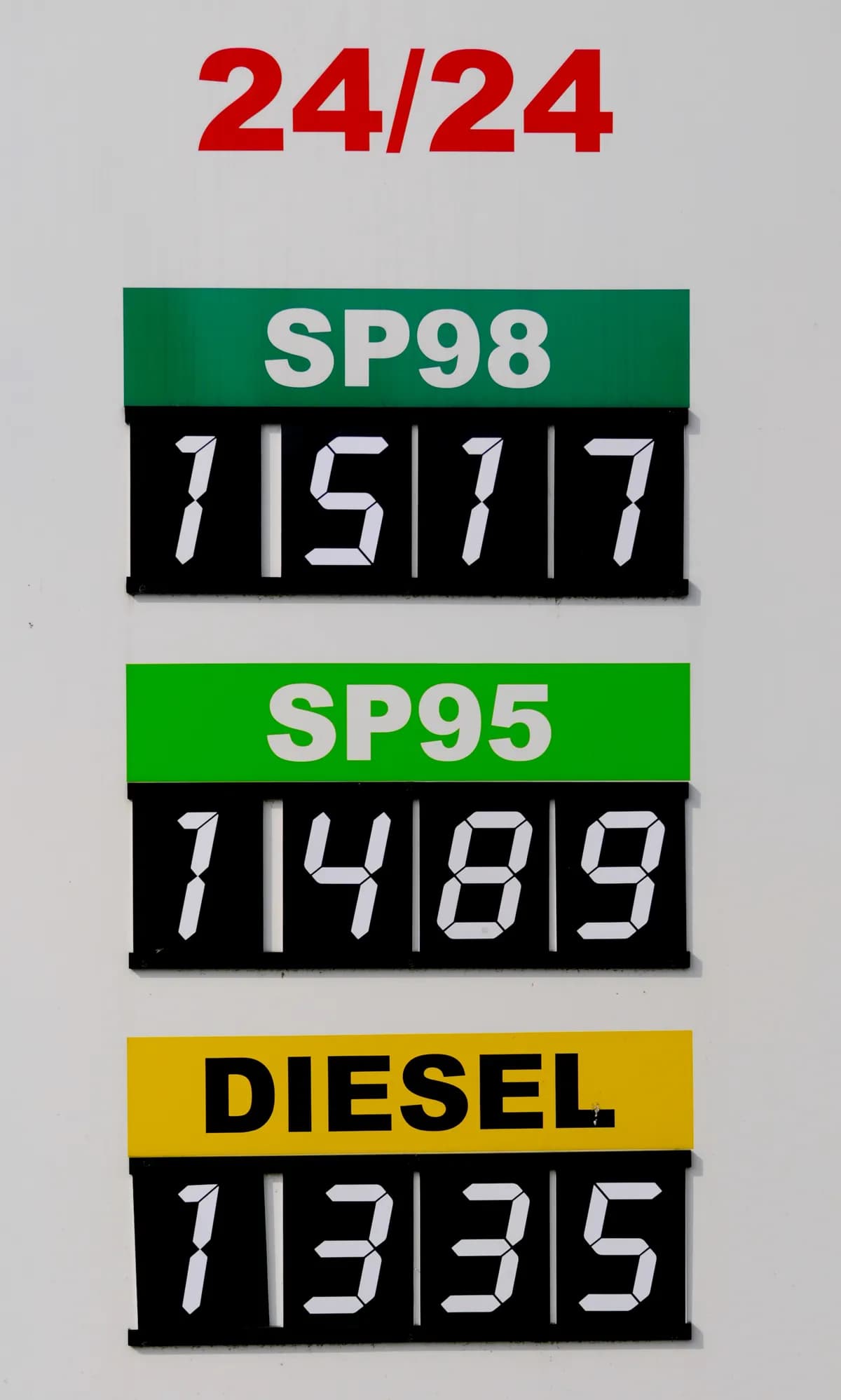
The Finnish government, led by Prime Minister Petteri Orpo, has tasked officials to evaluate ways to respond to the rise in fuel and energy prices caused by the Middle East war. According to Orpo, the government understands how quickly and hard the situation hits Finland, especially through rising energy prices at fuel pumps. The government tasked officials to consider who the exceptional price increases might affect, how to respond, and whether adaptation through behavior change is sufficient or if state support is needed.
Global energy markets have been thrown into turmoil by the conflict, with U.S. and Israeli military strikes on Iran sending oil and gas prices spiraling. Oil prices hover near $100 per barrel, a significant rise from prewar levels in the low- to mid-$60/bbl range, and have at points soared to close to $120 (£90) a barrel due to the effective closure of the Strait of Hormuz. Shipments of oil and gas through the Strait of Hormuz are at a standstill due to Iranian threats to tankers, reducing global supply by about one-fifth. About 25 to 30 percent of global oil and 20 percent of liquefied natural gas pass through the strait, and the International Energy Agency has warned that the conflict could trigger a severe global energy crisis. The de facto closure of the Strait of Hormuz and damage to regional infrastructure have produced the largest disruption to the global oil market in its history, the IEA said, as global oil markets are well integrated, so a disruption in one part of the world leads to a global spike in crude oil prices. International prices for LNG have jumped more than 50 percent, and the upheaval across commodities and manufacturing is putting upward pressure on global inflation and weighing on economic growth.
In Finland, the impact is already being felt by consumers, with gasoline prices rising by about 30 cents per liter this year, costing the average driver an additional 20–30 euros per month, primarily due to the Iran crisis increasing crude oil prices. If the crisis prolongs, it will affect heating and transport costs as well as food prices, with potentially difficult and broad impacts on society, Prime Minister Orpo stated. The war in the Middle East is upending lives and livelihoods in the region and beyond, dimming the outlook for many economies.
The government is in a wait-and-see mode and hopes the war in the Middle East ends. Officials' assessment was that there are no grounds for the state to start supporting specific groups in this situation, and the government has not yet decided on any new support measures. The government met on Wednesday for an 'evening school' session to discuss the impact of the Iran situation on Finland's economic development and Finns, though the session was not intended to make decisions but to get an overview from officials and hold discussions. If the situation continues and prolongs, the government will inevitably have to react.
One primary policy option under consideration is lowering the fuel distribution obligation, which requires sellers to add renewable fuels to gasoline and diesel to reduce emissions. Finance Minister Riikka Purra has floated lowering the fuel distribution obligation as one possible measure. Lowering the distribution obligation by one percentage point would reduce pump prices by an estimated 1.2–1.4 cents at most. However, the impact of lowering the distribution obligation is expected to be significantly smaller in practice, as reductions may not fully pass through to pump prices, and emissions would increase by about 100,000 tonnes of CO2 per percentage point. The easiest and most likely measure in practice would be lowering the distribution obligation, given Finland's austerity measures, but no decisions have been made.
Public finances are already under strain and Finland has less room to act than some neighbouring countries like Sweden.
Political dynamics within the coalition government are shaping the response, with the Finns Party ready to act quickly on lowering the distribution obligation, while the National Coalition Party does not want to make hasty decisions, and the Swedish People's Party aligns with the National Coalition. This internal tension reflects broader trends in European politics, where radical-right parties make up about half of antiestablishment party support, and their support has risen faster than that of any other group. The radical right is now in government, or supports the government, in Finland, Hungary, Italy, Slovakia, and Sweden.
Prime Minister Orpo stated that the government tasked the Ministry of Finance to evaluate various measures that could potentially be implemented if the crisis worsens and prolongs. This planning comes amid fiscal constraints, as Finland's budget deficit is set to increase from the 10.7 billion euros anticipated in the spring to approximately 12.2 billion euros. The Ministry of Finance's draft budget for 2026 totals EUR 89.6 billion and involves a deficit of EUR 9.9 billion, and without new adjustment measures, the general government debt ratio would escalate to over 90% of GDP in 2029. The goal is to stabilise the general government debt ratio by 2027, with the goal of fiscal policy being to strengthen public finances and reverse the debt trend in Finland. The government announced a series of austerity measures and tax increases to plug a gap of some nine billion euros worth of state expenditure during its term.
Finance Minister Riikka Purra described public finances as already under strain and Finland having less room to act than some neighbouring countries like Sweden, according to www.helsinkitimes.fi. This fiscal backdrop complicates any potential relief measures, as the disruption has sent fuel prices soaring and squeezed supplies of petrochemicals needed to make everyday items. Clean energy technologies are not immune from supply chain disruptions stemming from geopolitical disputes, highlighting vulnerabilities in transitioning away from fossil fuels.
China's energy imports add another layer to the global context, with the country using an estimated 15 to 16 million barrels of oil daily, with Gulf countries being a major source of imports. Russian oil accounts for nearly a fifth of China's energy imports, making Moscow by far Beijing's biggest oil supplier. Meanwhile, the Ministry of Finance budget proposal includes increases in central government R&D funding for 2024 in accordance with the Act on State Financing of Research and Development, indicating ongoing investment in innovation despite economic pressures.
Specific measures beyond lowering the fuel distribution obligation that are being evaluated by the Finnish government remain unclear, as officials continue their assessment. The Strait of Hormuz disruption timeline and its long-term impacts on global oil and gas supplies are also uncertain, with conflicting reports on oil prices—some sources cite $100 per barrel, while others note spikes to $120—adding to the ambiguity. Finland's precise current budget deficit is another unknown, as sources provide varying figures for different years without a clear consensus, complicating understanding of the country's fiscal capacity. Balancing environmental goals, such as avoiding increased CO2 emissions from lowering the distribution obligation, with economic relief measures presents a further challenge for policymakers.