

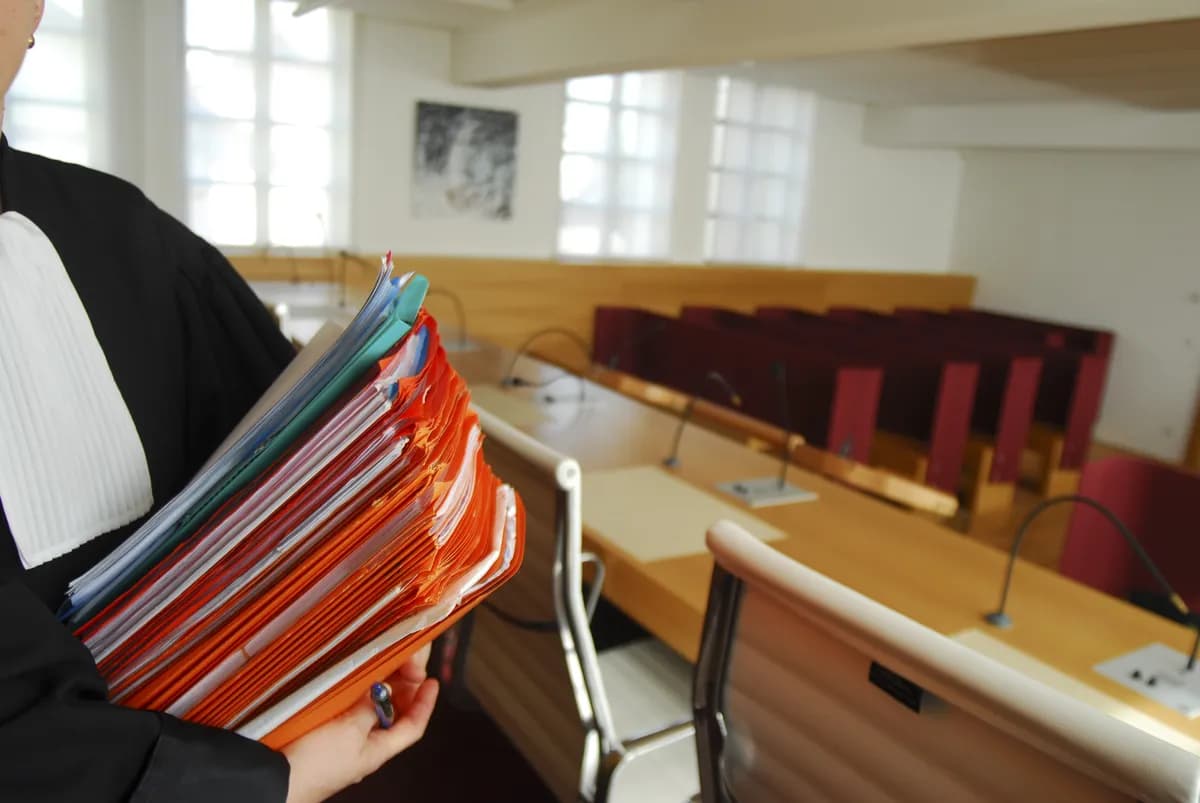
U.S. District Judge Paul Friedman ruled the policy illegally restricted press credentials and violated First and Fifth Amendment rights, according to multiple major media sources. The judge's decision came after the New York Times sued the Pentagon and Defense Secretary Pete Hegseth in December, claiming the policy violated constitutional rights to free speech and due process. The ruling represents a significant judicial pushback against government restrictions on press access, with the judge finding the policy overreached in its limitations on journalists.
The Pentagon media policy required journalists to sign an agreement banning military personnel from making 'unauthorized disclosures' to the media, according to major media sources. It also restricted access to large areas of the Pentagon without an escort, effectively limiting journalists' ability to move freely within the building and conduct spontaneous interviews or gather information. The exact nature of the 'unauthorized disclosures' the policy aimed to prevent remains unclear, but it appeared designed to control the flow of information from military personnel to the press.
The policy reflects the government's 'compelling interest' and 'statutory obligation' to protect national security.
The New York Times lawsuit challenged the policy on constitutional grounds, arguing it infringed on fundamental press freedoms. According to the New York Times attorney, the policy limits journalists' access during wartime, depriving Americans of vital information about military operations and national security matters. A Times spokesperson linked the policy to public access regarding U.S. attacks on Iran and American troop deaths, suggesting the restrictions could prevent timely reporting on critical military actions. The lawsuit claimed the policy violated constitutional rights to free speech and due process by imposing unreasonable barriers on journalists' work.
Pentagon spokesperson Sean Parnell stated the agency disagrees with the ruling and is pursuing an immediate appeal, indicating the government intends to continue defending the policy in court. Following the ruling, the Pentagon announced it will issue new press credentials and move media offices to an annex outside the main building, with journalists still allowed access for arranged events with escorts, according to major media sources. The exact timeline for issuing new press credentials and moving media offices to the annex has not been specified, leaving uncertainty about when these changes will be implemented.
The policy is 'common sense.'
The media landscape appears divided over the policy, with significant opposition from major news organizations. The policy was opposed by several major outlets including The Daily Mail, CNN, The New York Times, Washington Post, Wall Street Journal, and The Atlantic, according to major media sources. Conservative outlets reportedly agreed to the Pentagon media policy, creating a split in how different media organizations responded to the restrictions. The current Pentagon press corps reportedly comprises mostly conservative outlets that agreed to the policy, while outlets like AP that refused have continued reporting from outside, though the full list of media outlets that opposed or agreed to the policy remains incomplete.
Government defense arguments cited national security concerns as justification for the restrictions. The Justice Department attorney stated the policy reflects the government's 'compelling interest' and 'statutory obligation' to protect national security, arguing that controlling media access helps prevent sensitive information from being disclosed. The Pentagon has argued the policy is 'common sense,' suggesting it represents reasonable measures to balance press access with security needs, though the detailed arguments from the Pentagon on why the policy is 'common sense' were not fully elaborated in available reports.
Related legal challenges include the AP's separate lawsuit pending against the Trump administration regarding reduced access to presidential events. This lawsuit addresses similar concerns about press restrictions, though it focuses on access to presidential activities rather than Pentagon operations. The outcome of the AP's separate lawsuit regarding reduced access to presidential events has not been determined, but it reflects broader tensions between the administration and media organizations over access issues.
In a separate judicial proceeding, a judge heard arguments but didn't immediately rule, though his remarks suggested skepticism of the government's defense, according to a source. This highlights ongoing judicial scrutiny of government restrictions on media access beyond the specific case involving Judge Friedman's ruling.