

The US set a deadline of 2pm on Monday to begin a partial blockade of the Strait of Hormuz, according to multiple reports. US Central Command stated that the blockade will be enforced impartially against vessels of all nations entering or departing Iranian ports and coastal areas, including all Iranian ports on the Arabian Gulf and Gulf of Oman. Iran has effectively closed the Strait of Hormuz to oil and other traffic since the start of US-Israel strikes on Iran in late February, multiple reports indicate. Shipping traffic through the Strait of Hormuz has largely ground to a halt after Iran declared the strait closed to all but its enemies and threatened to target vessels attempting to pass, according to reports. Only a handful of ships – mostly Indian, Pakistani, Turkish and Chinese-flagged vessels – have been allowed to pass the Strait of Hormuz in recent days, reports indicate.
Oil prices surged on Monday, with Brent oil trading at 101.95 dollars a barrel on Monday afternoon, up from 96.14 dollars at the time of the equities close in London on Friday, according to reports. Oil prices have jumped roughly 60 percent since the Iran war erupted in late February, reports show. Brent crude surged to nearly $120 a barrel on March 9 and has remained above $100 since March 13, according to reports. Benchmark Middle Eastern crudes like Oman and Dubai have already crossed the $150 threshold, reports indicate. Efforts to stabilise the market by releasing 400 million barrels from emergency stockpiles are unlikely to fully offset supply losses, reports indicate. Researchers at OCBC estimate the world could still face a daily shortfall of around 10 million barrels of oil, according to reports.
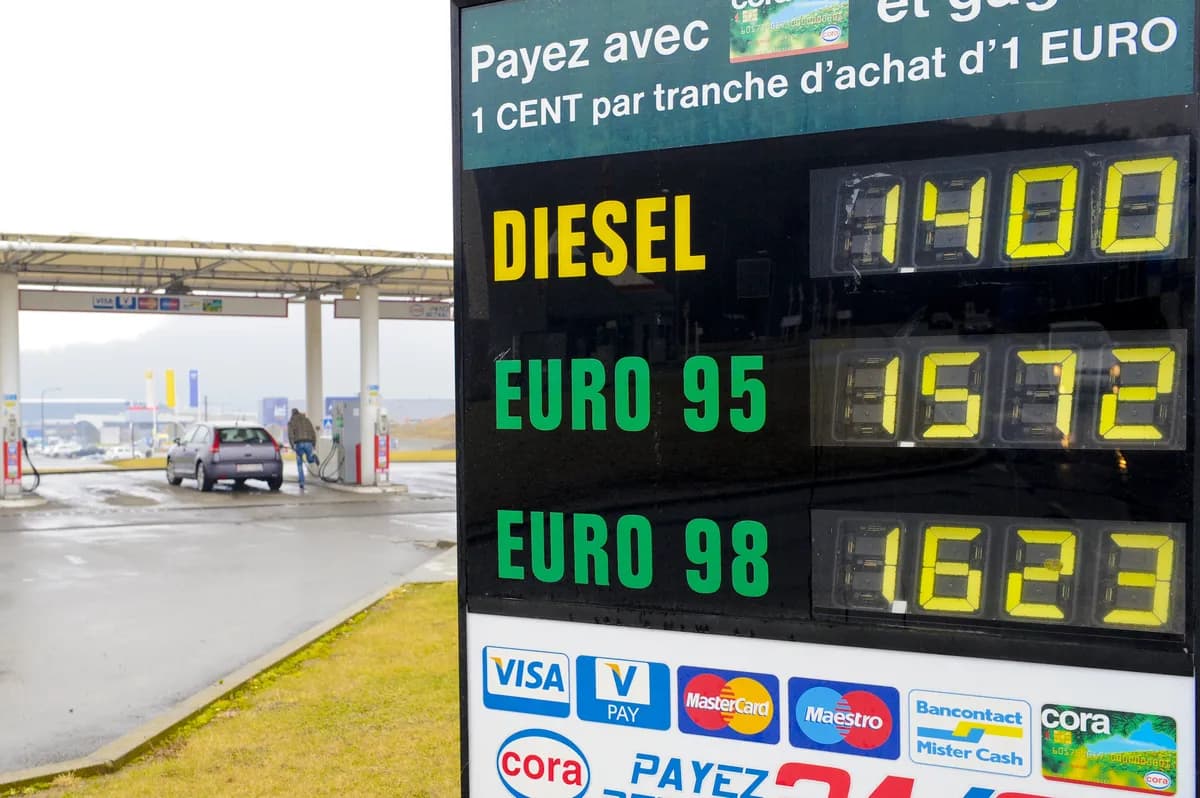
The economic consequences are mounting, with the average cost of a gallon of gas in the U.S. at $4.12 on Monday, up from $3.18 one year ago, reports show. Inflation rose by 3.3 percent year-over-year as a result of soaring energy prices, according to reports. The International Monetary Fund estimates that every 10 percent rise in oil prices, sustained over a year, would correspond with a 0.4 percent increase in global inflation and a 0.15 percent reduction in economic growth, reports indicate. The vast majority of Americans, 69 percent, are concerned about elevated gas and fuel prices as a result of the Iran war, according to reports. President Donald Trump warned that gas prices may climb higher heading into the midterm elections, according to reports.
Diplomatic efforts have faltered, with weekend peace talks between the US and Iran breaking down over the subject of Iran's nuclear ambitions, according to reports. Oil prices briefly eased after Trump announced a two-week ceasefire with Iran last Tuesday, reports indicate. Trump claimed that the Strait of Hormuz would be open for tankers soon and that other countries would assist in clearing the passageway of Iranian mines, according to reports. He also said the US is doubling down on its export efforts, according to reports.
Global stock markets reacted on Monday, with the FTSE 100 closing down 17.57 points, 0.2%, at 10,582.96, according to reports. The AIM All-Share rose 4.83 points, 0.6%, to 782.31 on Monday, reports show. The CAC 40 in Paris closed down 0.3% on Monday, according to reports. In New York markets on Monday, the Dow Jones Industrial Average was down 0.6%, the S&P 500 was little changed, and the Nasdaq Composite was up 0.3%, reports indicate.
Goldman Sachs reported 17.23 billion dollars in total net revenue for the first quarter, up 14% from 15.06 billion dollars the year prior, according to reports. Despite better-than-expected first quarter earnings, shares in Goldman Sachs fell 3.6% on Monday, reports show.
Historically, Brent's record nominal high remains $147.50 during the 2008 financial crisis - equivalent to roughly $224 in today’s money, according to reports.